
Experts discuss raising awareness and increasing attention to food insecurity issues at the 4th International Nutrition Week.
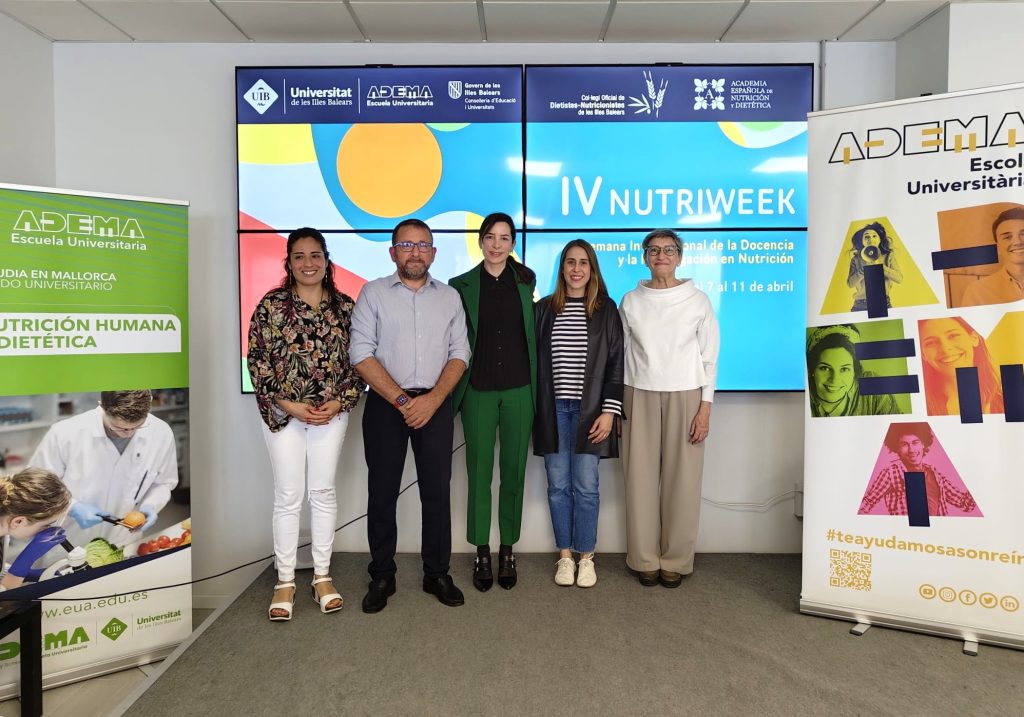
The fourth day of International Nutrition Week focused on a roundtable discussion on “Food Security and Insecurity.” Food insecurity in Spain now affects more than 6.7 million people, a situation that, far from being marginal, represents a structural problem for public health, equity, and fundamental rights. This is one of the main conclusions of the Manifesto for the Visibility of Food Insecurity in Spain, presented by the president of the Official College of Dietitians-Nutritionists of the Balearic Islands (CODNIB), Manuel Moñino. The manifesto—promoted by the General Council of Official Colleges of Dietitians and Nutritionists, the Spanish Academy of Nutrition and Dietetics, Action Against Hunger, and the Blanquerna Global Research on Wellbeing (GRoW) research group at Ramon Llull University—seeks to engage institutions and citizens in improving the detection of food insecurity, developing effective referral channels, and implementing public policies that guarantee access to healthy, sufficient, and decent food. “It’s not just about combating hunger, but also about defending the right to adequate food, reducing inequalities, and addressing the social determinants of health,” Manuel Moñino emphasized during his speech. According to the most recent data, between 10.4% and 13.3% of the Spanish population suffers from mild or moderate food insecurity, which means they have to modify their diet due to a lack of economic or physical access to a basic food basket. This phenomenon is more common in single-parent households headed by women and has a direct impact on the increase in chronic diseases, mental health problems, and malnutrition. The manifesto also calls for strengthening the role of dietitians and nutritionists as key agents in the detection and support of people in situations of food insecurity. It proposes incorporating routine screening tools into health and social services, as well as training professionals to act with sensitivity, knowledge, and coordination with the third sector. On the other hand, expert Nara Szostaczuk addressed the topic of food safety management systems in the aviation industry, highlighting the critical importance of ensuring safe, high-quality food on board commercial flights. Szostaczuk explained how the Food Safety Management System (FSMS) applied to in-flight catering works, integrating principles such as Hazard Analysis and Critical Control Points (HACCP), compliance with international standards (IATA, ICAO), and the implementation of prerequisite programs (PRPs) in hygiene, pest control, and sanitation. She detailed processes such as real-time temperature monitoring, internal audits, allergen management, and the application of innovative technologies to strengthen system efficiency. The presentation also highlighted the role of flight and catering personnel in preventing foodborne illnesses. Finally, the head of the Food Safety Service of the Ministry of Health, Margalida Buades, detailed the status of food safety in collective, social, and commercial catering establishments in the Balearic Islands and the challenges and challenges facing them.
Collective catering and sustainable school meals will be discussed on the third day of the 4th International Nutrition Week.
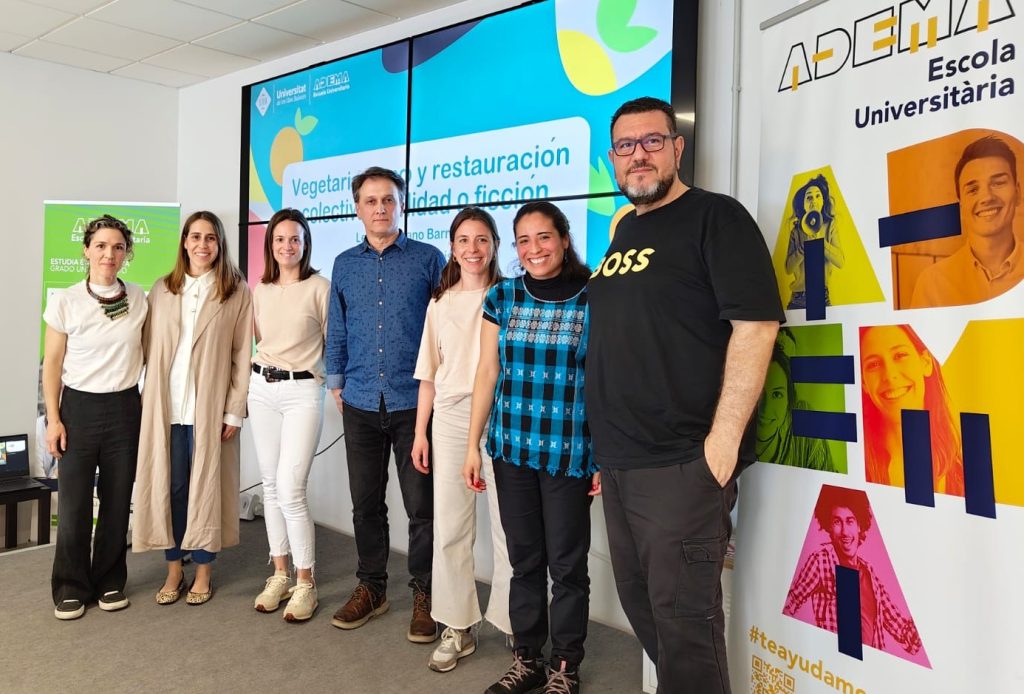
During the third day of the 4th International Nutrition Week, the Week of Teaching and Research in this sector, the roundtable “Collective Catering” was held, a space for dialogue and reflection on the future of food in school cafeterias. The event, moderated by Dr. Alicia Julibert, Head of Studies for the Bachelor’s Degree in Human Nutrition and Dietetics, brought together leading professionals from the fields of catering, nutrition, and sustainability to analyze the challenges and opportunities in implementing healthy and sustainable menus in educational centers. Expert Miquel Àngel Guerrero explained networking for healthy and sustainable school cafeterias and placed special emphasis on the importance of cooperation between institutions, businesses, and families in building a more equitable and sustainable school food system. She also analyzed the role of the Alimentant el Futur Network and its comprehensive approach, which seeks to improve the quality of menus, promote nutritional education, and strengthen the link between school cafeterias and local producers. Furthermore, expert Ana Espiño, from the AUSOLAN Group’s Restaurant Unit, addressed the challenges of introducing plant-based protein menus in cafeterias. Her presentation focused on the cultural and economic barriers that hinder the acceptance of this eating model, as well as strategies to ensure its viability and nutritional balance. Based on the ALADINO 2023 study, she reviewed the data on the prevalence of childhood overweight and obesity, highlighting the role of school menus in promoting it. Finally, Letizia Lozano, the presenter on “Tu Nutricionista,” discussed the feasibility of including vegetarian and vegan options in collective catering. Based on previous studies and experiences in other autonomous communities, the possibility of expanding the offering of plant-based menus in school cafeterias in the Balearic Islands was analyzed. Current regulations were also discussed, as well as the positive impact that implementing plant-based diets would have on both children’s health and the sustainability of the food system. This roundtable aims to highlight the need to transform school cafeterias into spaces that promote healthy and sustainable eating habits. The transition toward more balanced eating patterns requires the commitment of all stakeholders, from government agencies to families, including nutrition and catering professionals. .
The International Nutrition Week ADEMA hosts a conference on local cuisine with Ernesto Serrano, active member of Xarxa Xef 2030
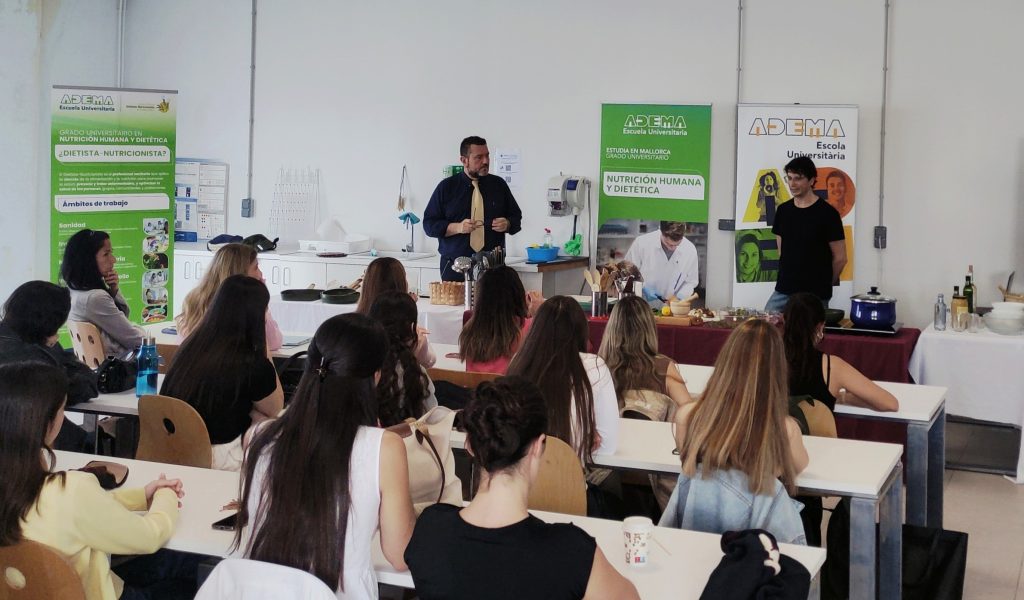
In the framework of the International Nutrition Week ADEMA, the International Week of Teaching and Research in the sector, the University School ADEMA hosted today a conference focused on the cuisine of use and proximity, with the outstanding participation of Ernesto Serrano, head chef of the CEIP Pere Rosselló i Oliver and active member of the Xarxa Xef 2030. During his speech, Serrano shared his experience at the head of a pioneering educational project that is committed to more sustainable, healthy food rooted in the territory. His work, linked to the Xef 2030 network, promotes the transformation of school canteens through menus made with local produce and strategies for making the most of the local produce, thus promoting the circular economy and respect for natural resources. The session was moderated by the president of the Spanish Academy of Nutrition and Dietetics and president of the scientific committee of this fourth edition, Giuseppe Russolillo, who stressed the importance of transferring these models to other educational and healthcare environments, highlighting the key role of nutrition professionals in this process. Ernesto Serrano, head chef at CEIP Pere Rosselló Oliver in Alaró, also explained how a leading canteen in Mallorca works, where he has implemented a model based on local, organic and seasonal products, eliminating ultra-processed food and promoting a balanced Mediterranean diet. This activity is part of the Nutrition Week programme, a week full of conferences, workshops and meetings that reaffirm ADEMA’s commitment to nutrition education from a multidisciplinary, innovative and sustainable perspective. For five days, experts from the public and private sectors will discuss the sector’s main challenges, with a program that includes lectures, roundtable discussions, healthy and sustainable cooking workshops, and the presentation of scientific research and posters. This year’s edition will focus on children’s nutrition and school cafeterias, a particularly important topic where the challenge of ensuring universal access to healthy, sustainable, and socially just meals persists.