
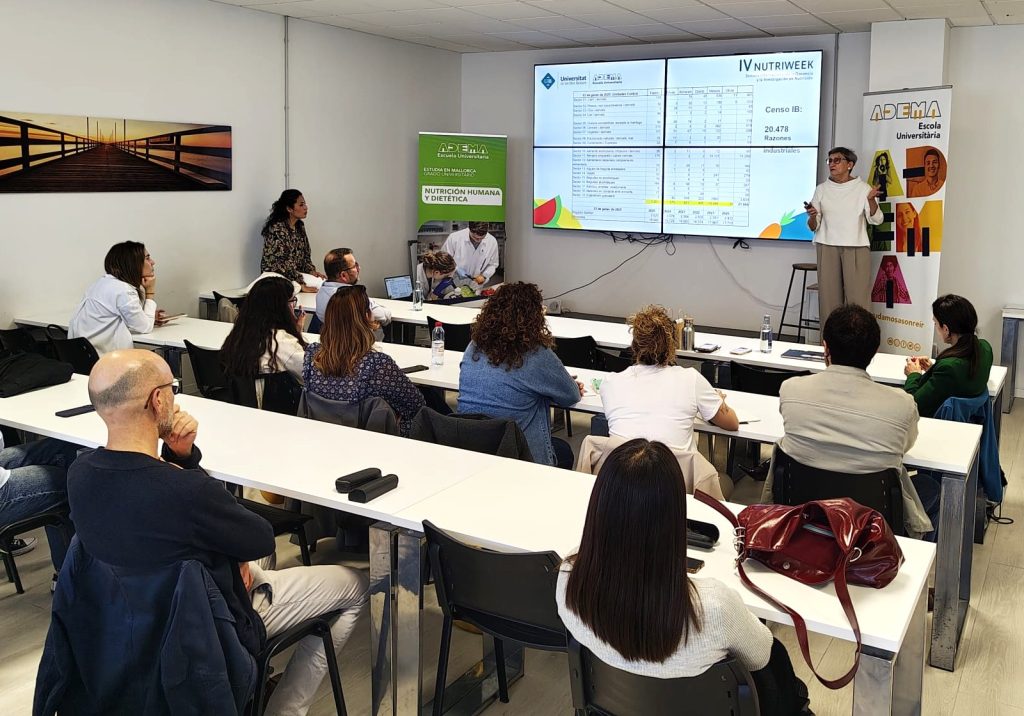
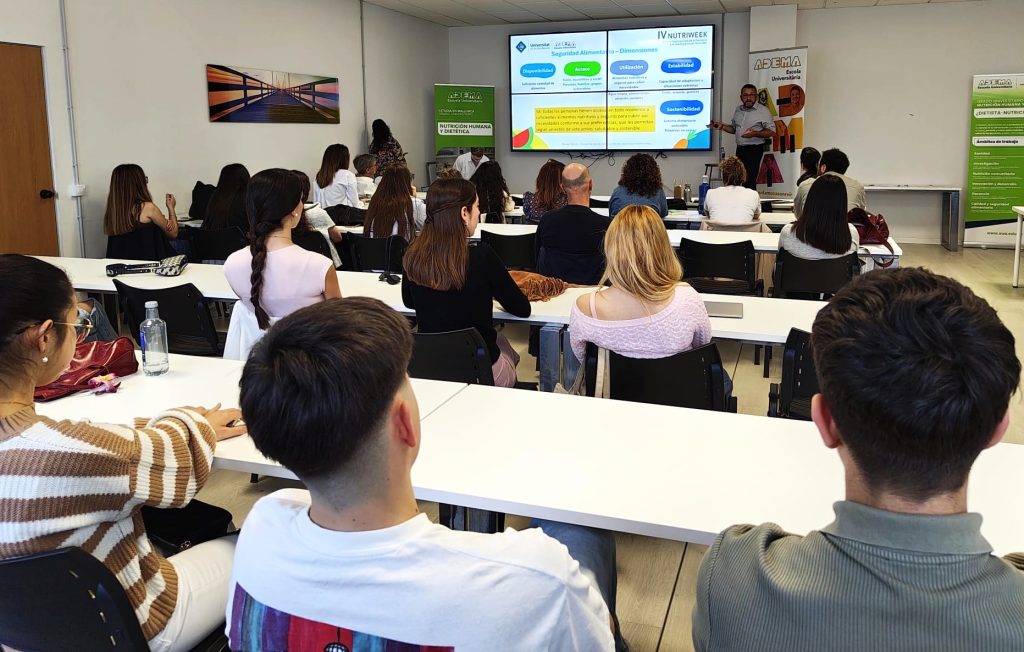
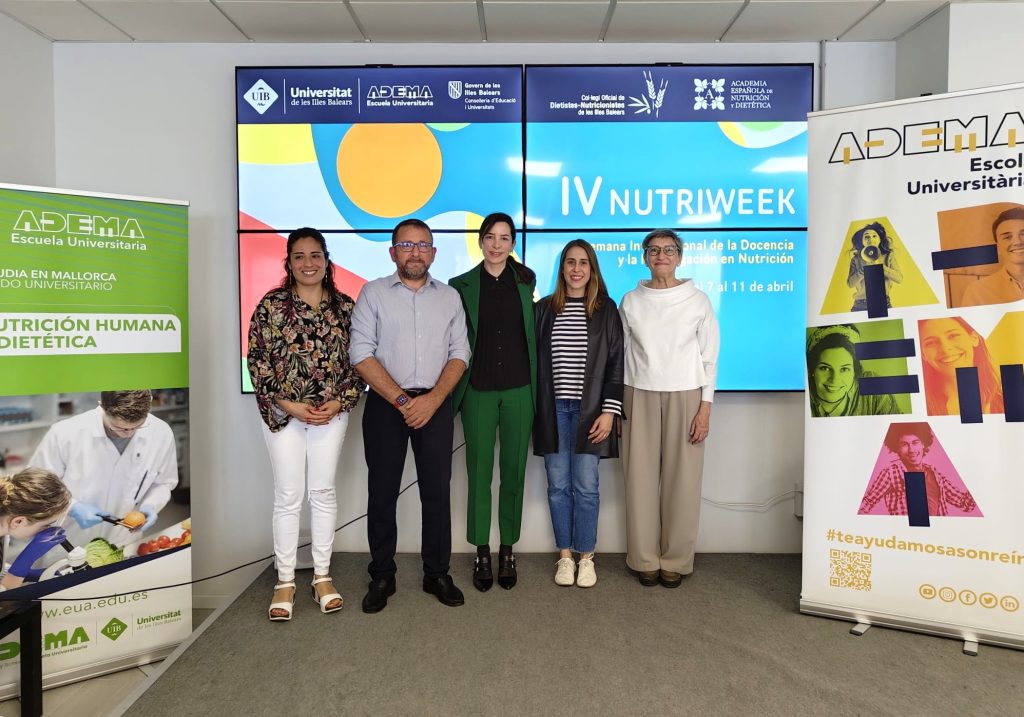
The fourth day of International Nutrition Week focused on a roundtable discussion on “Food Security and Insecurity.” Food insecurity in Spain now affects more than 6.7 million people, a situation that, far from being marginal, represents a structural problem for public health, equity, and fundamental rights. This is one of the main conclusions of the Manifesto for the Visibility of Food Insecurity in Spain, presented by the president of the Official College of Dietitians-Nutritionists of the Balearic Islands (CODNIB), Manuel Moñino.
The manifesto—promoted by the General Council of Official Colleges of Dietitians and Nutritionists, the Spanish Academy of Nutrition and Dietetics, Action Against Hunger, and the Blanquerna Global Research on Wellbeing (GRoW) research group at Ramon Llull University—seeks to engage institutions and citizens in improving the detection of food insecurity, developing effective referral channels, and implementing public policies that guarantee access to healthy, sufficient, and decent food. “It’s not just about combating hunger, but also about defending the right to adequate food, reducing inequalities, and addressing the social determinants of health,” Manuel Moñino emphasized during his speech.
According to the most recent data, between 10.4% and 13.3% of the Spanish population suffers from mild or moderate food insecurity, which means they have to modify their diet due to a lack of economic or physical access to a basic food basket. This phenomenon is more common in single-parent households headed by women and has a direct impact on the increase in chronic diseases, mental health problems, and malnutrition.
The manifesto also calls for strengthening the role of dietitians and nutritionists as key agents in the detection and support of people in situations of food insecurity. It proposes incorporating routine screening tools into health and social services, as well as training professionals to act with sensitivity, knowledge, and coordination with the third sector.
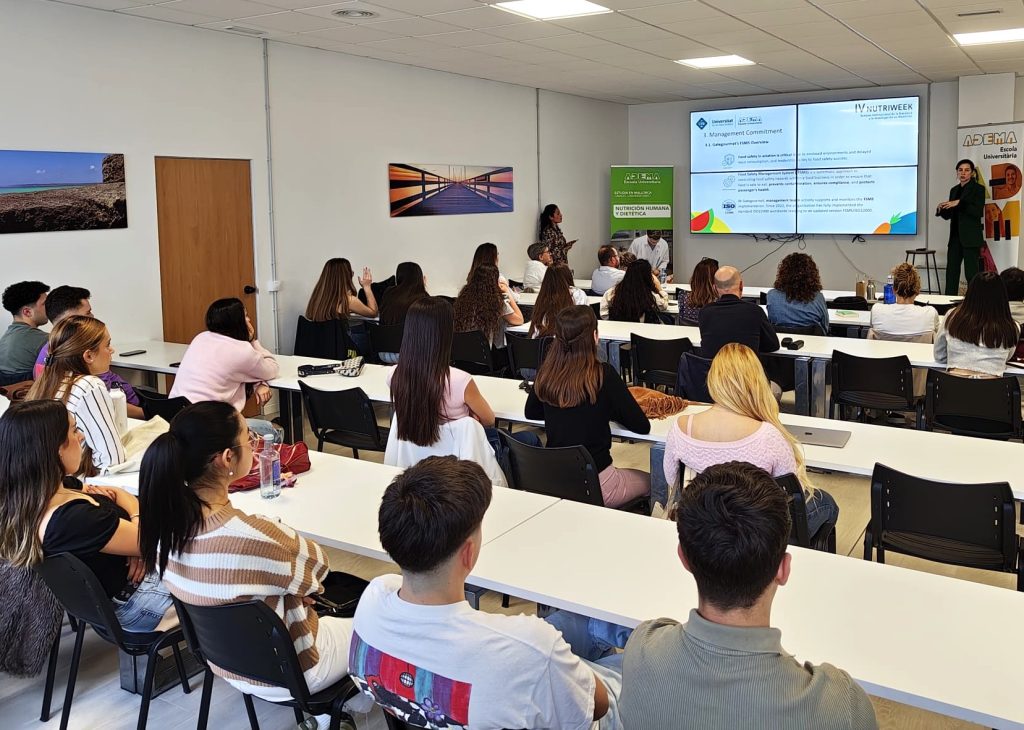
On the other hand, expert Nara Szostaczuk addressed the topic of food safety management systems in the aviation industry, highlighting the critical importance of ensuring safe, high-quality food on board commercial flights. Szostaczuk explained how the Food Safety Management System (FSMS) applied to in-flight catering works, integrating principles such as Hazard Analysis and Critical Control Points (HACCP), compliance with international standards (IATA, ICAO), and the implementation of prerequisite programs (PRPs) in hygiene, pest control, and sanitation. She detailed processes such as real-time temperature monitoring, internal audits, allergen management, and the application of innovative technologies to strengthen system efficiency. The presentation also highlighted the role of flight and catering personnel in preventing foodborne illnesses.
Finally, the head of the Food Safety Service of the Ministry of Health, Margalida Buades, detailed the status of food safety in collective, social, and commercial catering establishments in the Balearic Islands and the challenges and challenges facing them.