
>> The visit to Mallorca by Dr. Erika Kiss, founding director of the UCHV Film Forum and the UCHV Research Film Studio at Princeton University, activates new lines of academic and research cooperation.
>> The ADEMA and Princeton University delegation has also held several meetings with the mayor of Inca, Virgilio Moreno, and the councilor of the Palma City Council, Llorenç Bauzá.
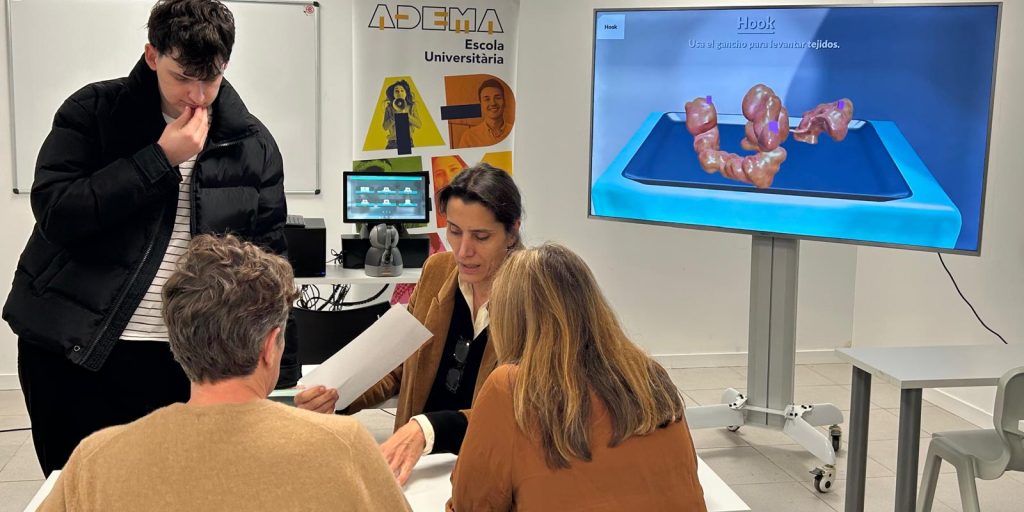
Princeton University has visited ADEMA to explore new avenues for international collaboration focused on knowledge transfer to Health Sciences, as well as the development of virtual reality technologies from an advanced sensory perspective.
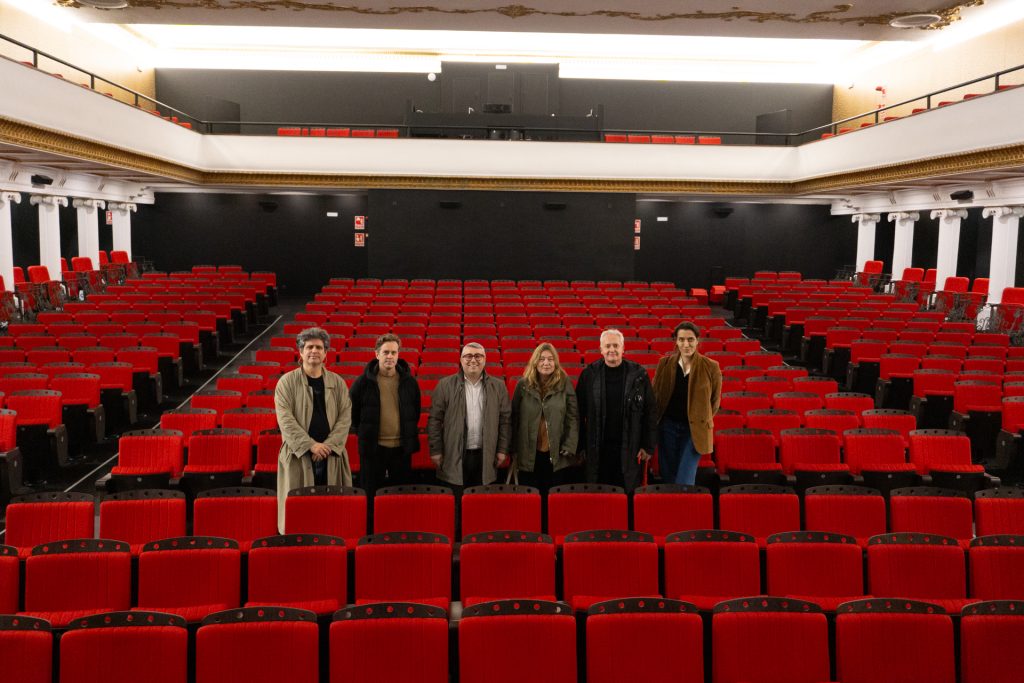
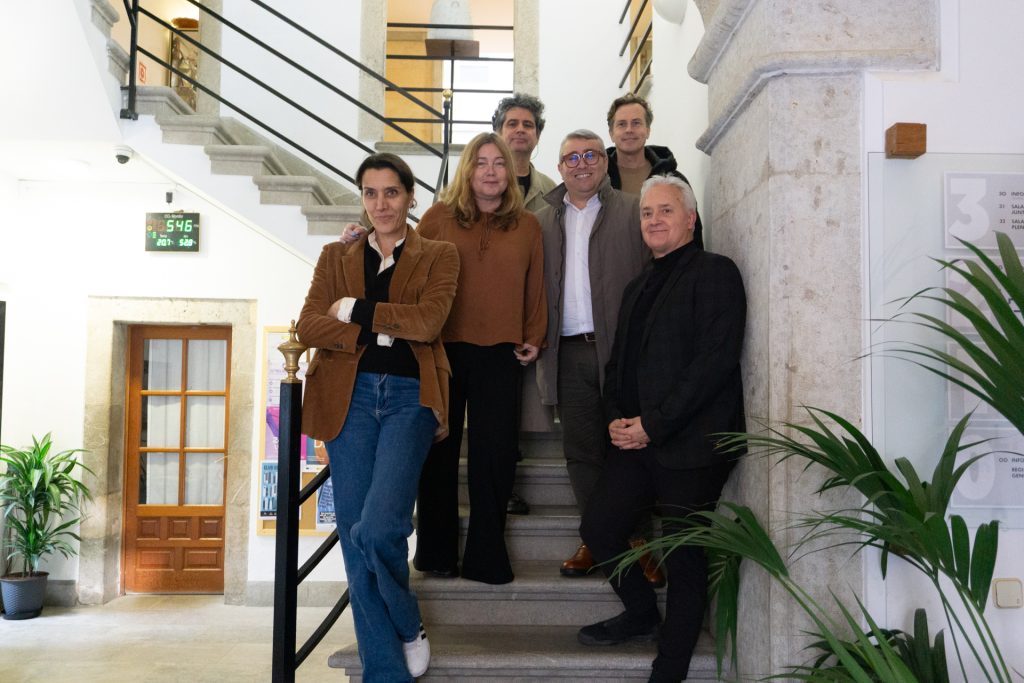
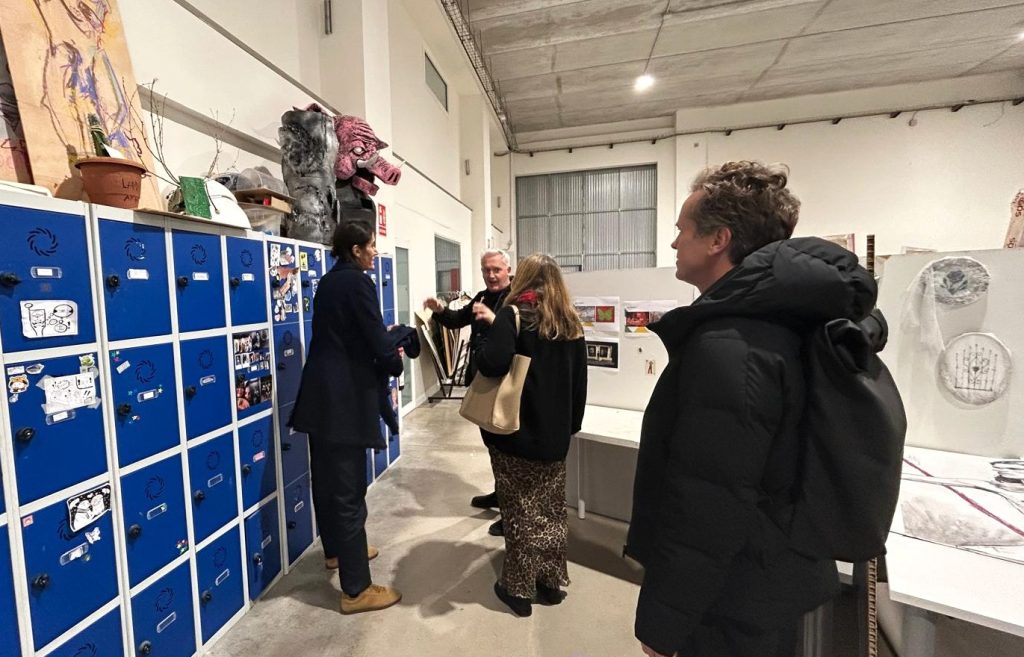
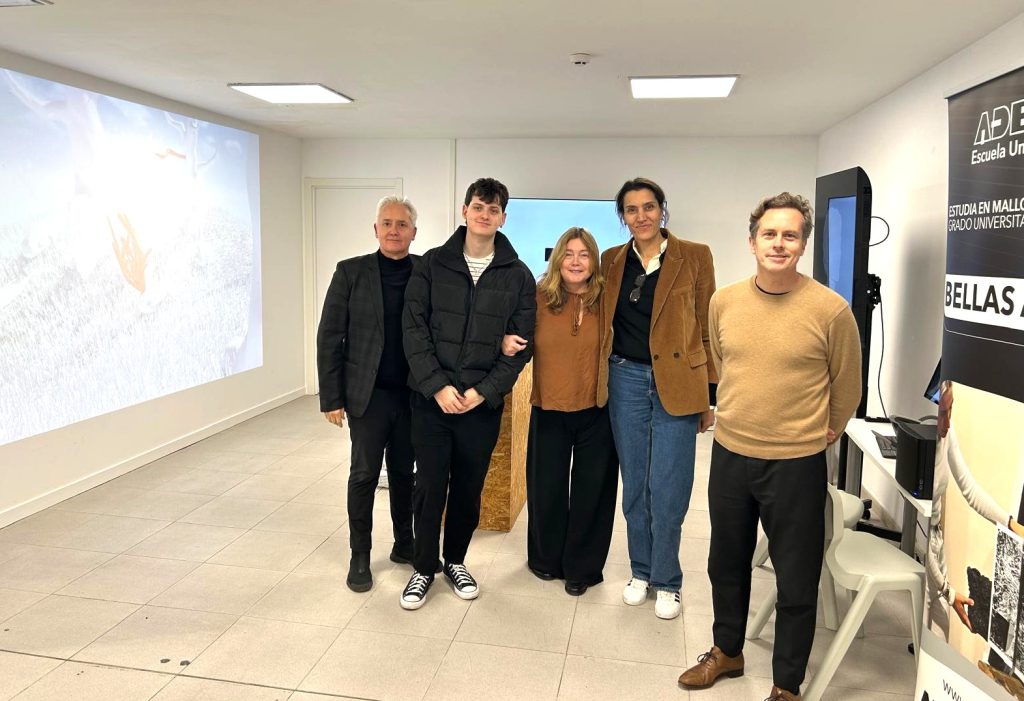
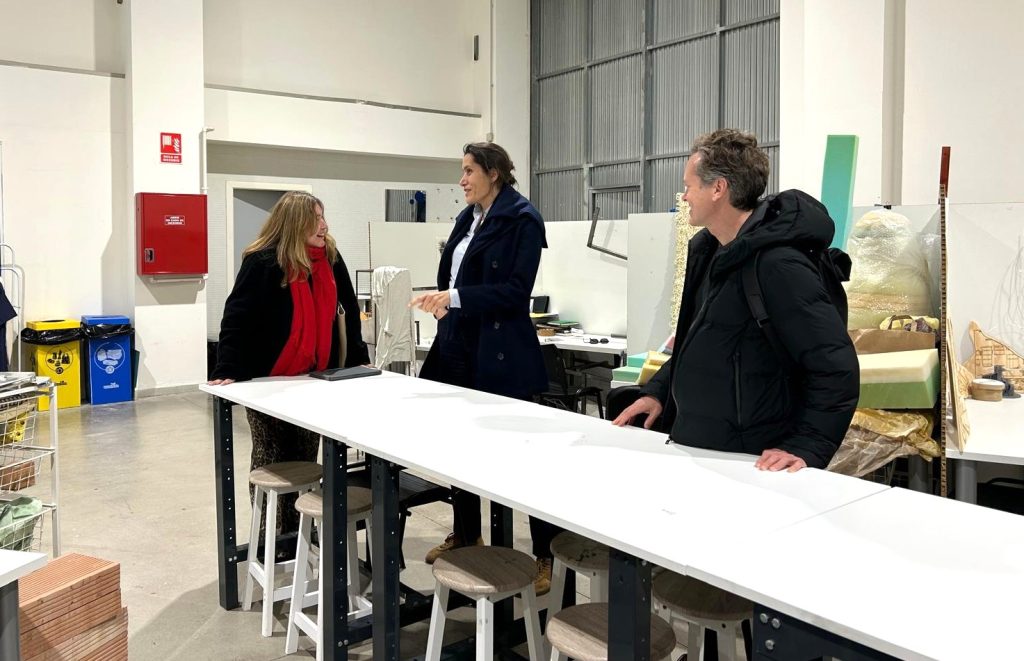
The institutional visit was led by Dr. Erika Kiss, founding director of the UCHV Film Forum and the UCHV Research Film Studio at Princeton University, who traveled to Mallorca to learn firsthand about ADEMA’s academic and research model and its developments in haptic and holographic 3D simulation, applied to both Health Sciences and Fine Arts training, areas in which the institution has established itself as an international benchmark.
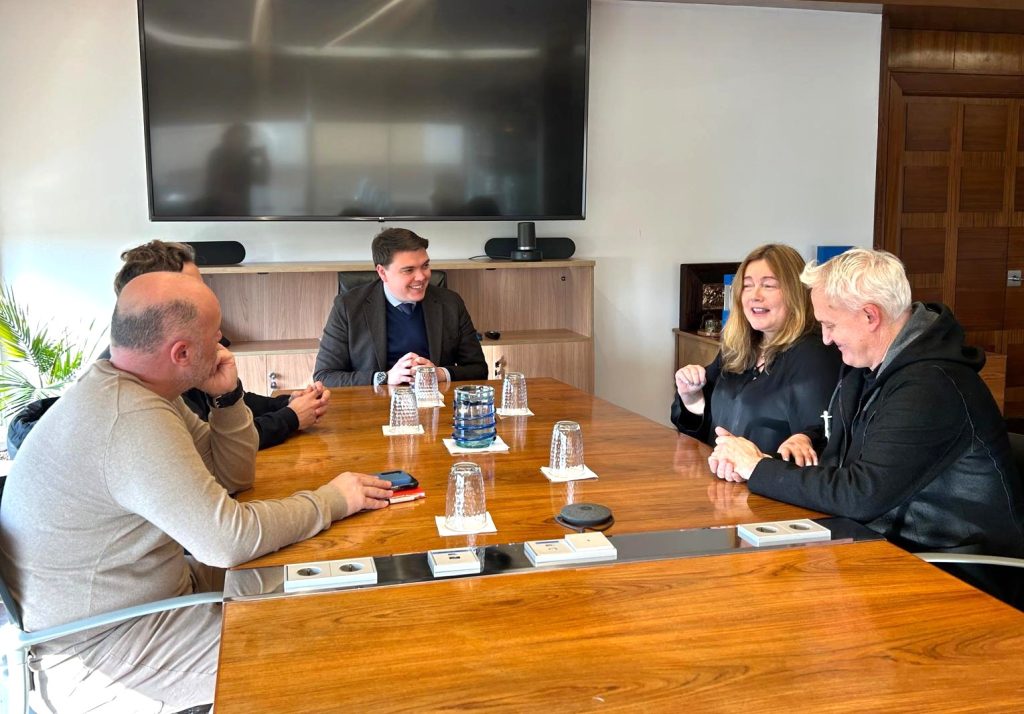
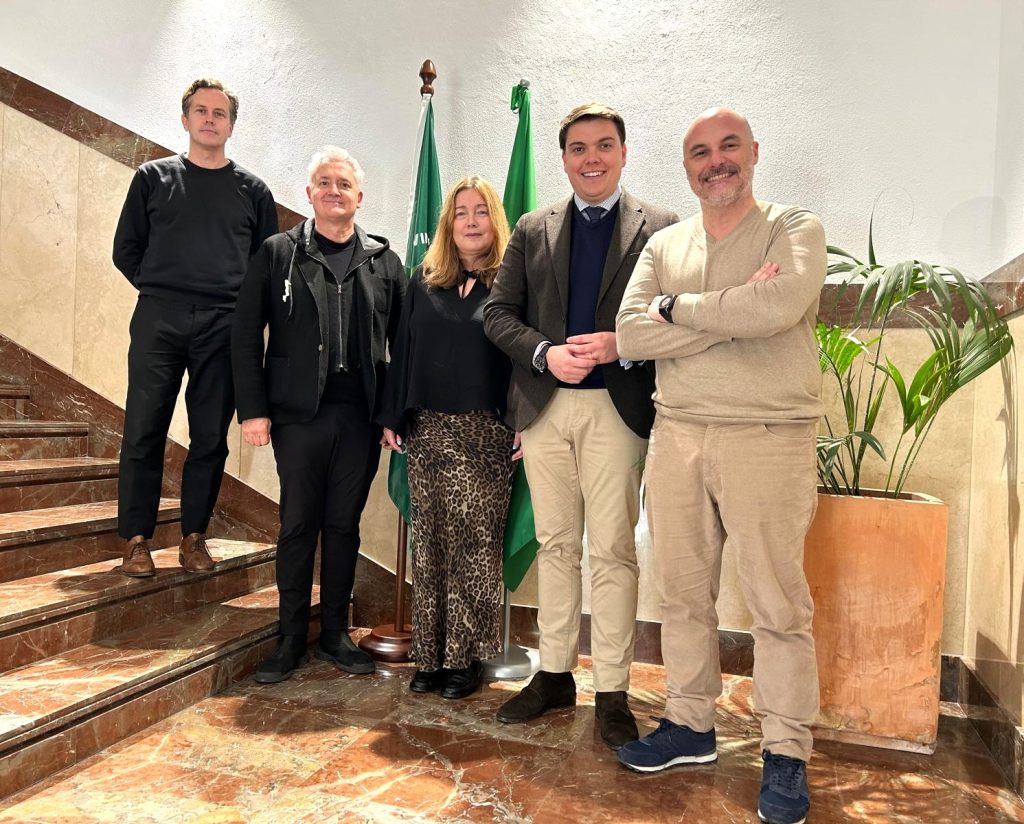
Likewise, the ADEMA and Princeton University delegation has also held several meetings with the mayor of Inca, Virgilio Moreno, and the councilor of the Palma City Council, Llorenç Bauzá, to analyze different forms of collaboration.
In the meeting with the councilor for the area of Natural Environment, Healthy Environments, Markets and Innovation of the Palma City Council, Llorenç Bauzá, preliminary contacts were established for a future collaboration linked to the project “Palma Culture and Innovation Bay”.
ADEMA has been working for more than five years from a cross-cutting approach between Science, Art and Technology, promoting projects aimed at facilitating the transfer of knowledge between disciplines.
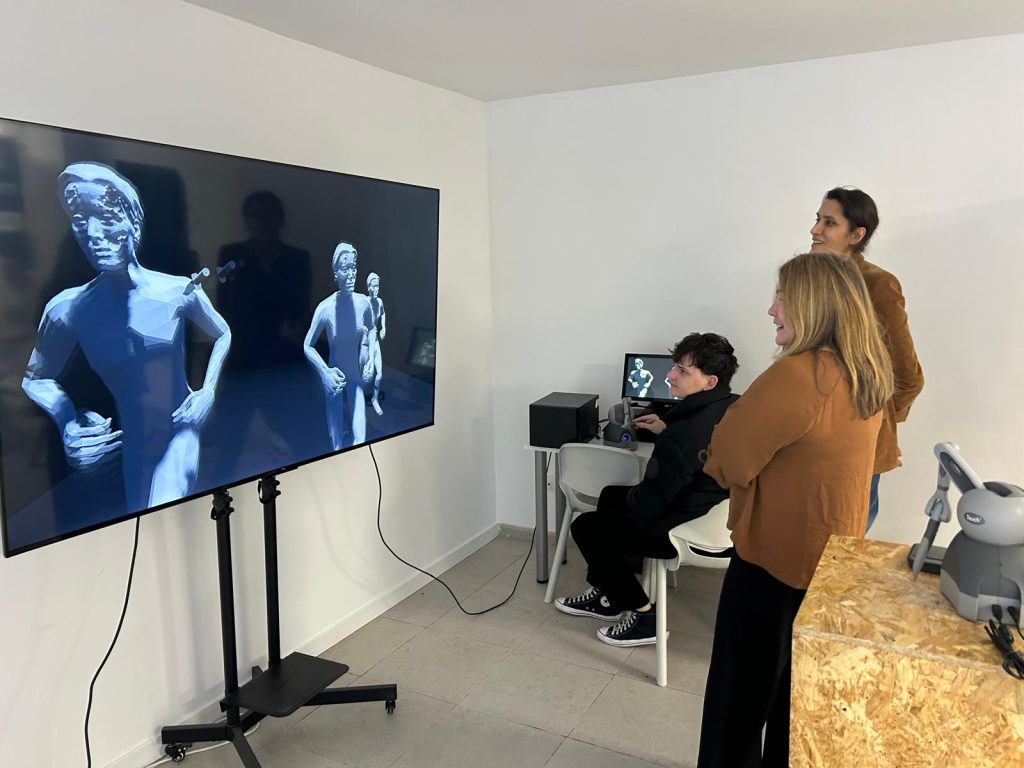
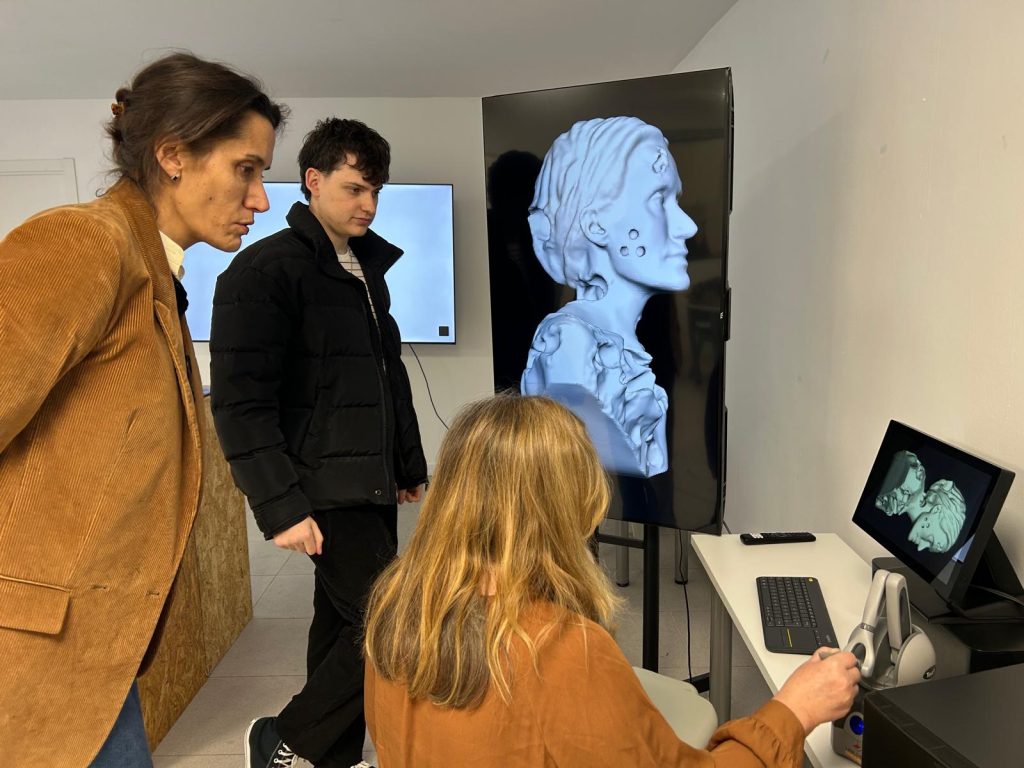
During several meetings and demonstrations, the ADEMA management team presented Dr. Erika Kiss with their innovative technological methodology, conceived not merely as a visual tool, but as a complete and advanced sensory experience system. In this model, interaction includes tactile perception, resistance, volume, and physical response in virtual environments, through the use of haptic and holographic 3D virtual simulators.
In this context, one of the aspects highlighted during the visit was the bidirectional nature of knowledge exchange. ADEMA emphasized that advances in Fine Arts research are transferred to Health Sciences, and, in turn, the needs and developments in the healthcare field feed into new lines of experimentation and artistic creation.
This approach has been presented as one of the keys that have allowed ADEMA to consolidate itself as an international benchmark in the development and application of haptic, three-dimensional and holographic technologies with academic, scientific and creative uses.
Dr. Erika Kiss was able to verify “in situ” the application of these technologies in the fields of Fine Arts and Health Sciences, confirming their potential to generate new environments for learning, experimentation and research.
Colorectal cancer management
In the clinical field, ADEMA is currently working on the development of haptic simulation applied to medical and surgical training. As an example, they explained their collaboration with the Health Living Lab at Son Espases University Hospital, along with Dr. Álvaro García Granero, a general surgeon specializing in coloproctology, for the development of a 3D tactile simulator initially focused on the treatment of colorectal cancer.
This pioneering technological project, a first internationally, represents a milestone in medical and surgical training and envisions its future application to real-world procedures in various surgical specialties. The technology allows for the recreation of tactile sensations during virtual medical procedures, enabling professionals not only to visualize and plan a surgery or examination, but also to feel, in real time, the resistance, texture, and consistency of tissues.
The first clinical application of this system, once the regulatory and validation processes for training are complete, will be in laparoscopic colorectal surgery, a key procedure in the treatment of this type of digestive cancer. The ability to train beforehand with a high degree of realism directly impacts the improvement of therapeutic precision and patient safety. Furthermore, the phases for its subsequent application in other specialties have already been defined.
The system allows training with digital models built from real patient data, incorporating a fundamental dimension in clinical learning: the perception of tissue resistance, elasticity, and texture in a virtual environment. The goal is for professionals to be able to plan and practice procedures with a level of realism superior to that of tools based solely on visualization, improving accuracy and reducing risks before the actual intervention.
According to ADEMA President Diego González, haptic simulation is currently used for three main purposes: advanced medical training aimed at acquiring technical skill and tactile memory in complex procedures; virtual surgery as prior practice in controlled environments that reproduce clinical scenarios; and personalized surgical planning using digital twins based on real scans, which allow anticipating specific anatomy, risks, and technical decisions before the intervention.
Training at more than 150 universities
In parallel, ADEMA has established itself as an international leader in haptic and holographic 3D simulation. Over the past five years, more than 150 universities worldwide have enlisted the expertise of the ADEMA University School’s teaching staff and its virtual simulation center for training in the use of these systems. These universities come from countries such as Canada, the United States, Peru, Chile, Ecuador, the United Arab Emirates, China, Turkey, Malaysia, England, and France. This training covers specialties such as restorative dentistry, endodontics, prosthodontics, implants, orthodontics, and surgery, as well as other medical fields, including anesthesia procedures developed in collaboration with New York University.
Fine Arts and International Projection
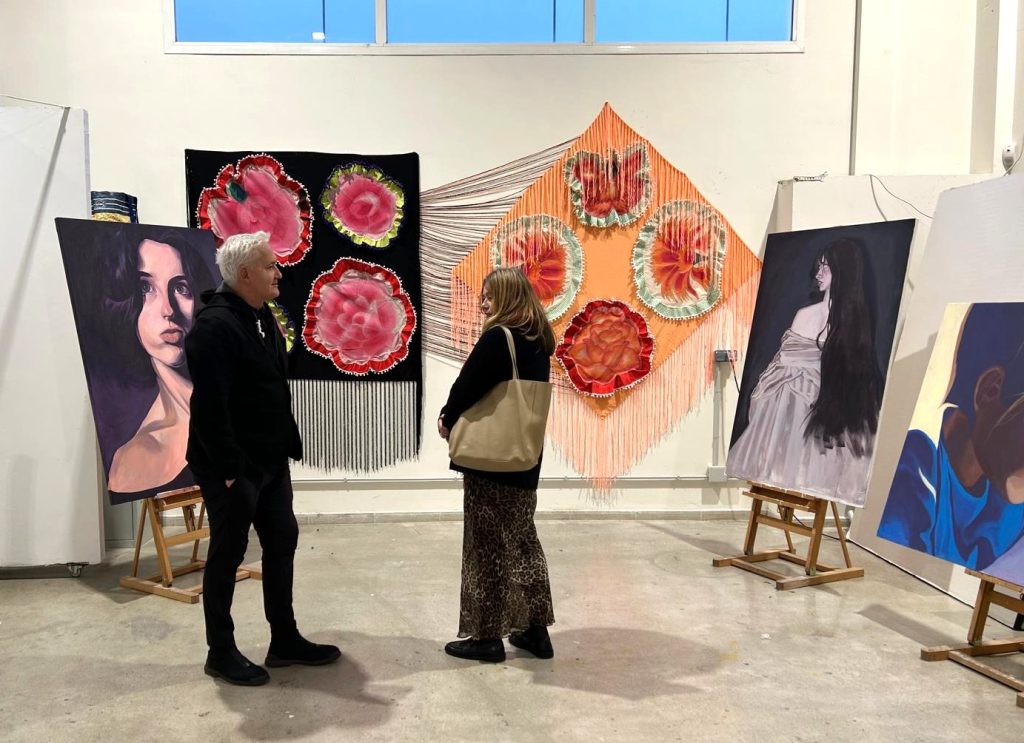
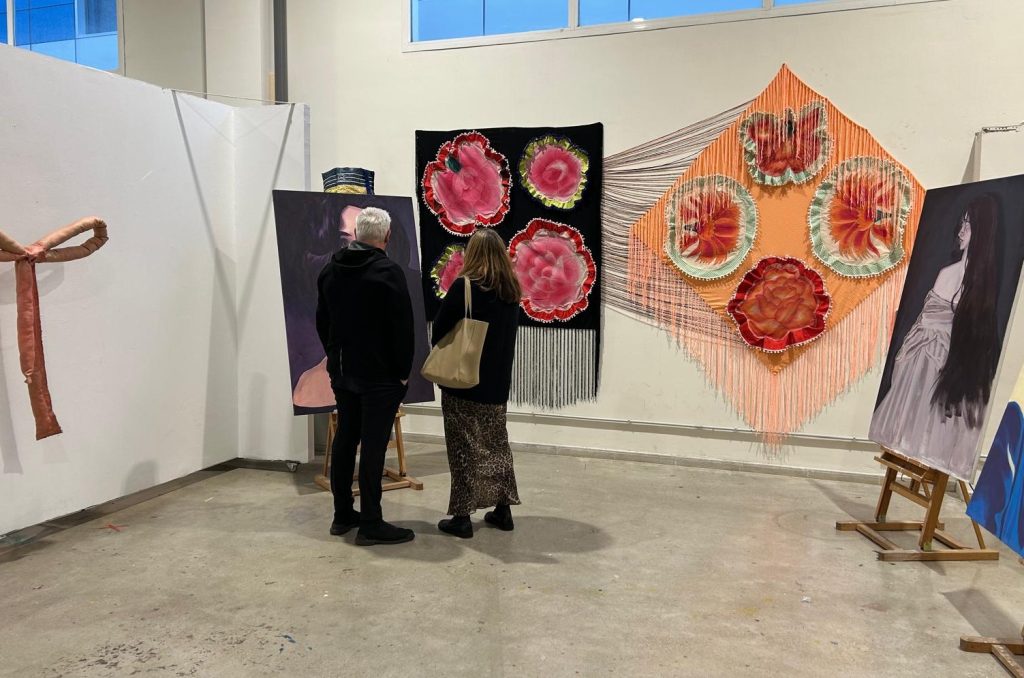
During the meeting, Amparo Sard, Head of Studies for the Fine Arts Degree, outlined the history of artistic and academic projects developed at ADEMA and presented at international fairs and events. Examples cited included participation in ARCO and in circuits linked to art fairs and platforms in cities such as Chicago, Cologne, Beijing, and Bologna, where the institution has showcased projects integrating technology into processes of creation, research, and cultural mediation.
The president of ADEMA, Diego González, stated that this international tour has also served as a space for external validation of the institution’s cross-cutting approach and as a meeting point with academic and creative agents interested in the intersection between sensory experience, image, sound and emerging technologies, an axis that Princeton University has indicated as especially relevant for audiovisual research and new immersive formats.
Princeton’s interest, immersive cinema, and new lines of cooperation
Princeton University has expressed interest in exploring how these technologies, already integrated into ADEMA’s training and research processes, can be applied to audiovisual creation, film research, and immersive cinema formats. The visit was conceived as a first step toward identifying avenues for collaboration that connect sensory experience, emerging technologies, and new audiovisual narratives. During the meetings, potential collaborative approaches were discussed, including experimental projects, international programs, academic exchanges, faculty and student residencies, and the organization of joint workshops and technology presentations.