
>> Students of the Bachelors in Dentistry and Human Nutrition and Dietetics have developed workshops, sessions and preventive activities with the aim of promoting healthy habits among the elderly population
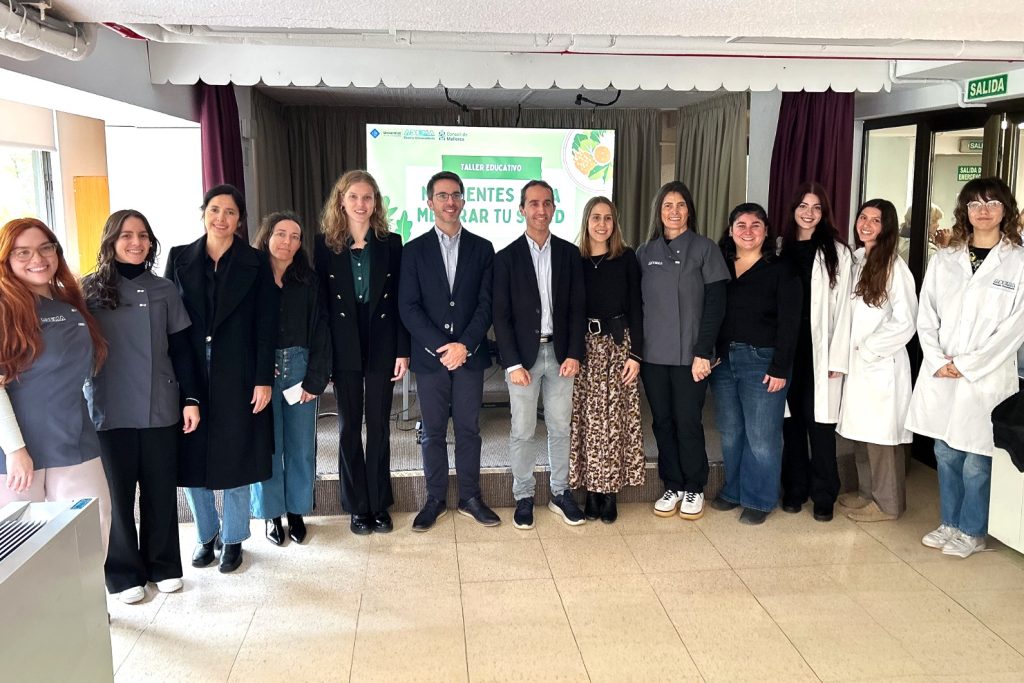
>>El presidente del IMAS, Guillermo Sánchez, ha destacado que “estos talleres refuerzan nuestro compromiso con la prevención y la promoción de la salud entre las personas mayores, poniendo a su alcance recursos prácticos y adaptados para mejorar su bienestar cotidiano”.
>> The general director of the ADEMA University School, Carlos López, has thanked IMAS and the CPAP teams for the trust they have placed in the students and teachers of ADEMA to carry out this learning that has strengthened the community dimension of the project.
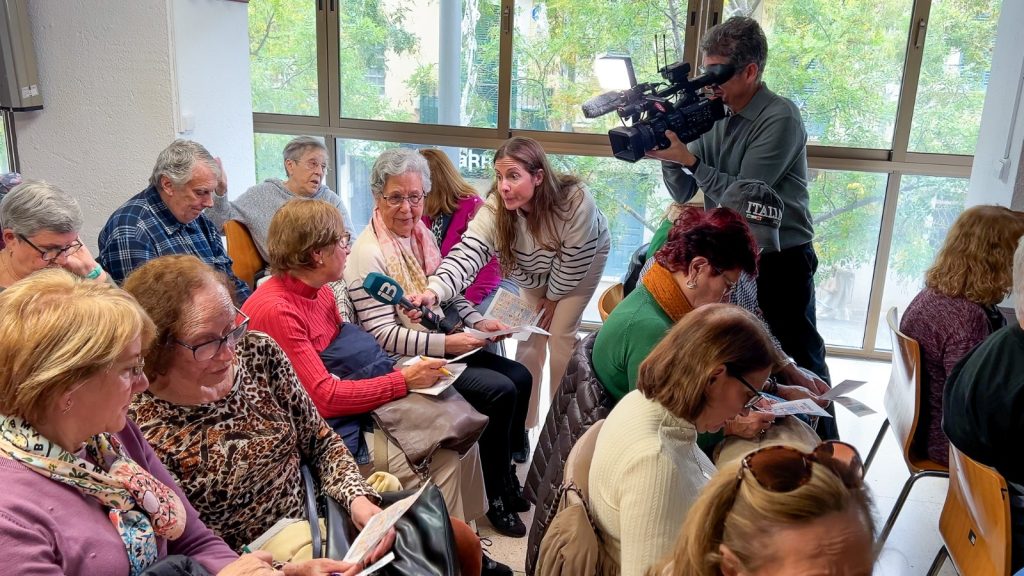
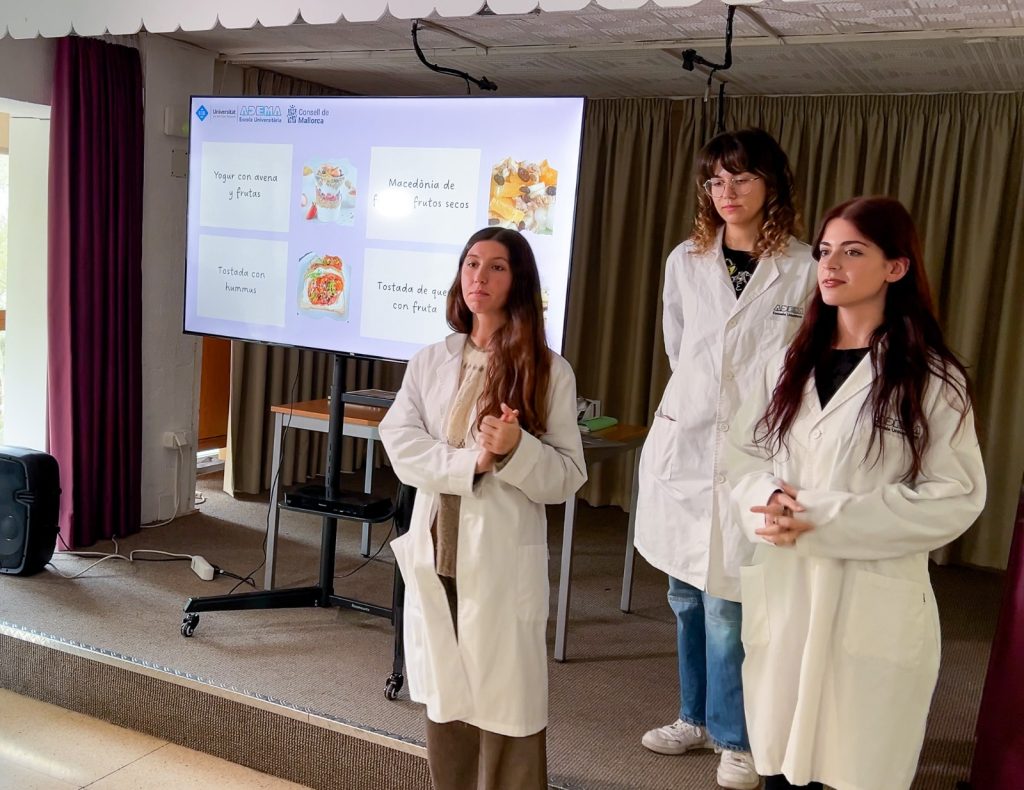
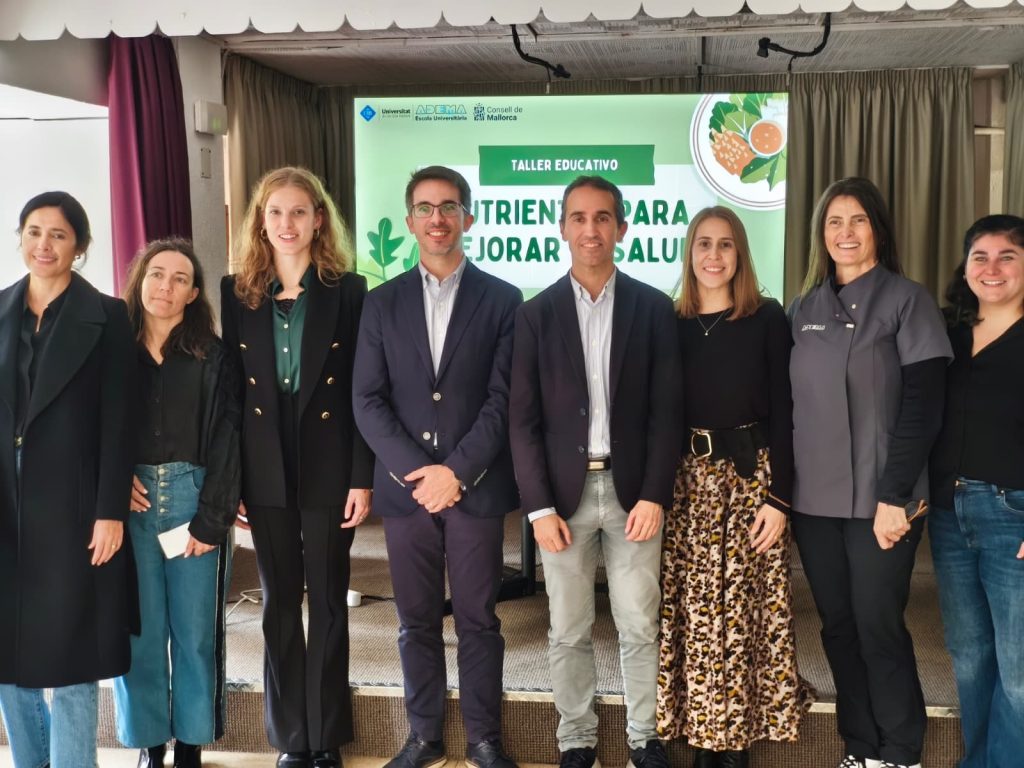
This morning, the ADEMA University School conducted several training workshops at the CPAP Llar Avenguda Argentina center, aimed at promoting oral and nutritional health among older adults. These activities were part of a program launched by ADEMA in collaboration with the Institut Mallorquí d’Afers Socials (IMAS), which seeks to introduce essential healthy habits to the elderly population while simultaneously enhancing the practical training of university students.
These workshops are part of a program being carried out by Dentistry and Nutrition students to promote healthy oral and nutritional habits among senior citizens who use the IMAS network of Personal Autonomy Promotion Centers (CPAPs), a group of community spaces designed to foster active aging and social participation for older adults. According to IMAS President Guillermo Sánchez, more than 3,200 people from centers across the island are participating in these various health promotion activities. These centers include CPAP Llar Manacor, CPAP Llar Llucmajor, CPAP Llar Avinguda Argentina, CPAP Llar Reina Sofía, CPAP Llar Felanitx, CPAP Puigpunyent, and CPAP Petra.
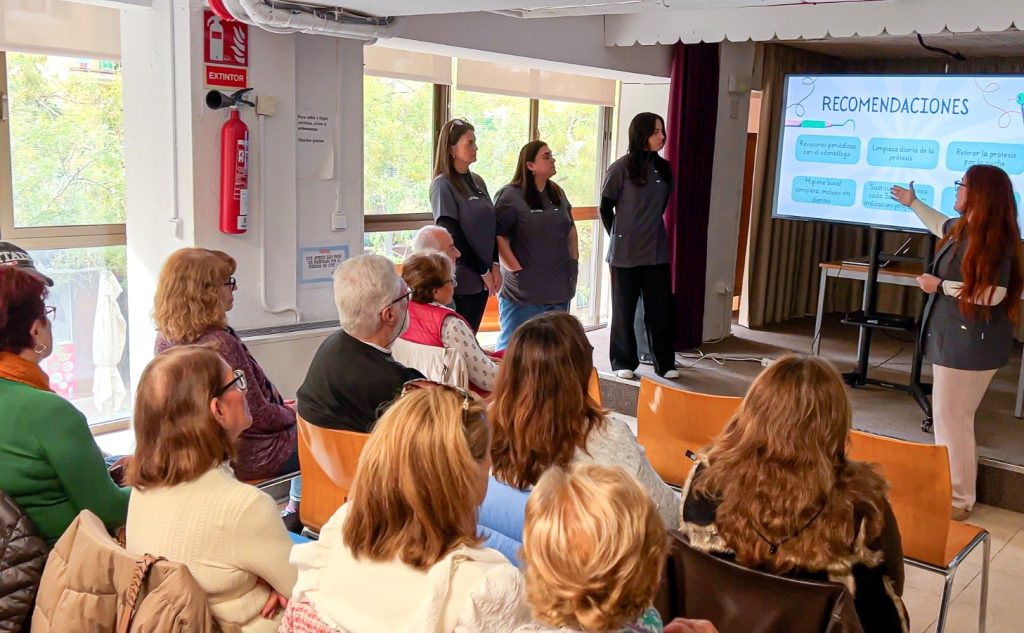
Students of the Bachelor in Dentistry have offered different theoretical content and practical demonstrations focused on the prevention of common oral problems at this stage of life.
Participants received detailed information on cavities, periodontal disease, oral lesions, hyposalivation, and complications arising from the use of dentures. In addition, the students completed various practical exercises demonstrating adapted brushing techniques, the use of interdental devices, and specific hygiene routines for removable dentures.
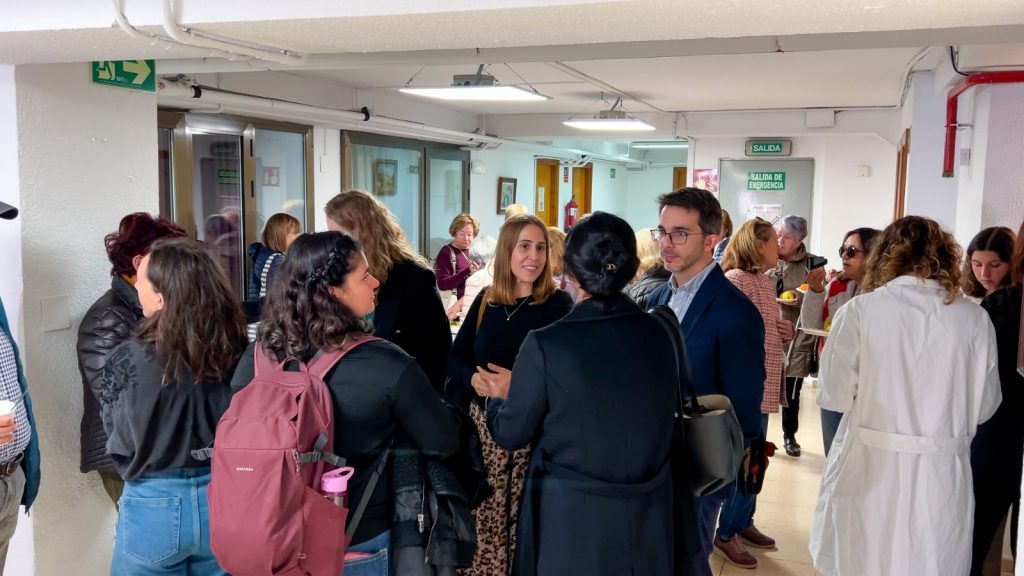
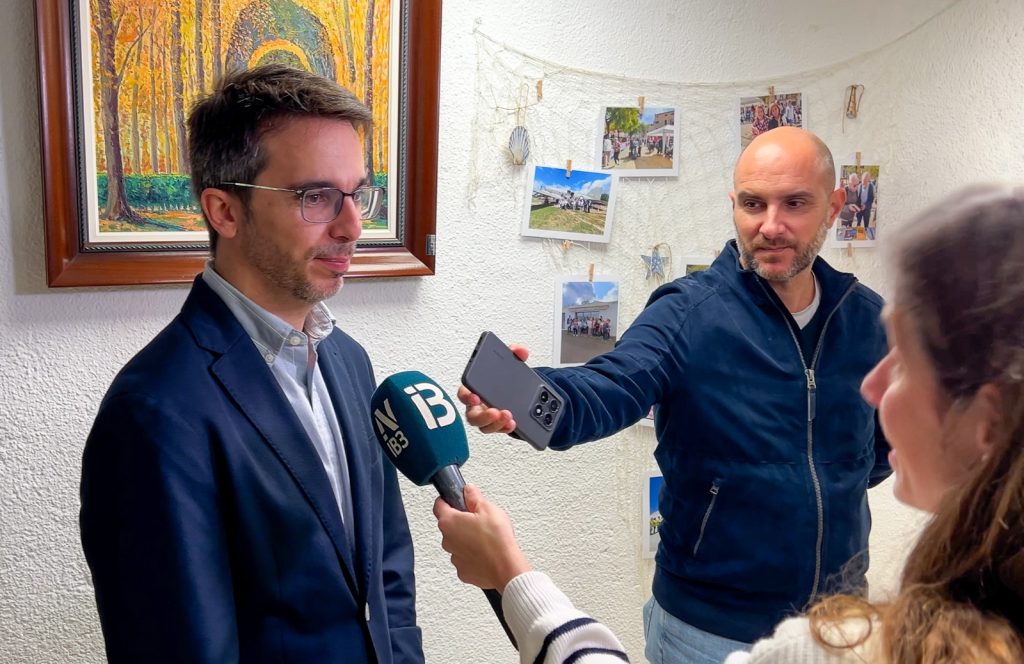
The coordinator of the Dentistry Bachelor program, Dr. Daniela Vallejos, explained that older adults have a particularly high risk of developing oral diseases. “This increased vulnerability is largely due to the progressive decline in manual dexterity, the regular use of dentures, the presence of systemic diseases, and the continued use of certain medications. Poor oral health not only affects the mouth but can also lead to nutritional problems, painful lesions, periodontal disease, or cavities, which significantly reduce the quality of life of those who suffer from them,” she argued.
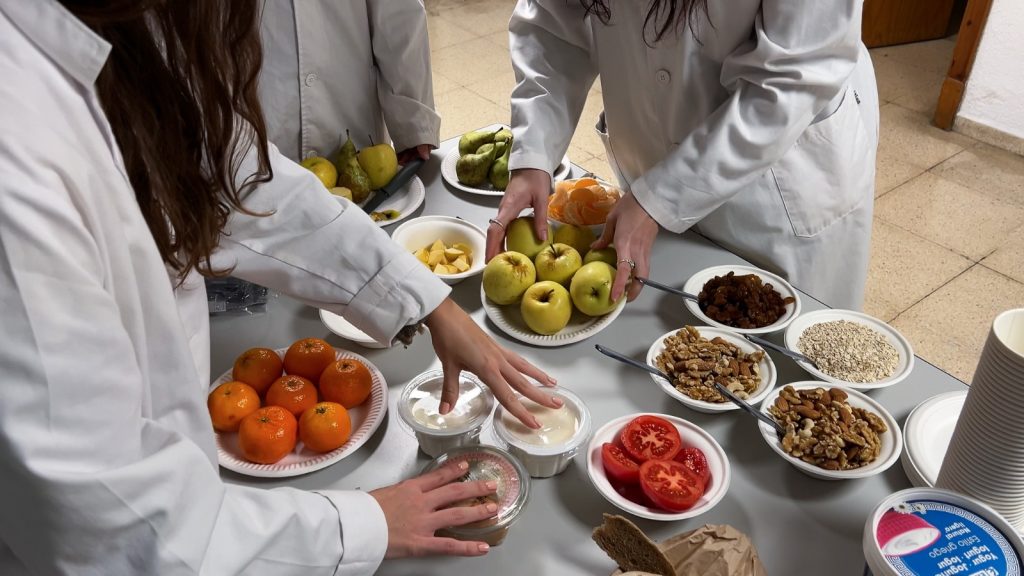
On the other hand, the nutrition workshops, led by students of the Bachelor in Human Nutrition and Dietetics, complemented the preventative approach with content focused on healthy eating during aging. According to the Head of Studies, Dr. Alicia Julibert, “maintaining healthy eating patterns, such as those of the Mediterranean diet, is fundamental to preventing chronic diseases and promoting active and long-term aging.” She also noted that “in situations of illness or frailty, it is crucial to prevent malnutrition and address the physiological changes associated with age in order to preserve muscle mass, functionality, and quality of life.”
The elderly users of the CPAP (Continuous Positive Airway Pressure) program participated in activities that covered the basics of the Mediterranean diet, the importance of adequate protein, fiber, and micronutrient intake, and strategies for preventing malnutrition and muscle loss. Students also led workshops on interpreting nutrition labels, comparing products, and differentiating between fresh and ultra-processed foods. Healthy shopping simulations were also conducted, analyzing affordable and accessible options for planning balanced weekly menus. These activities culminated in the collaborative creation of an adapted recipe book, which included simple, varied, and suitable culinary suggestions for the users’ needs. Additionally, some sessions incorporated a short cooking workshop, allowing participants to put their newly acquired knowledge into practice in a participatory environment.
Both the teaching staff and the professional teams at the Vía Argentina Senior Citizens’ Home have expressed their gratitude for the students’ work, as they not only contributed useful knowledge, but also fostered socialization, motivation, and autonomy among the participants.
The president of IMAS, Guillermo Sánchez, thanked the students for their work, stating that “they have not only contributed useful knowledge, but also fostered socialization, active participation and awareness of one’s own health, essential aspects to reinforce self-esteem and prevent situations of isolation or functional decline.”
For his part, the general director of the ADEMA University School, Carlos López, thanked IMAS and the CPAP teams for the trust that the students and teachers of ADEMA have placed in them to carry out this learning, which has strengthened the community dimension of the project.