
>> The architect and professor at the Aarhus School of Architecture (Denmark) has delivered two keynote lectures on history, architectural thought, and construction culture.
>> His research connects Renaissance architecture with the contemporary use of natural materials—a line of study of particular interest for the architectural heritage of Mallorca.
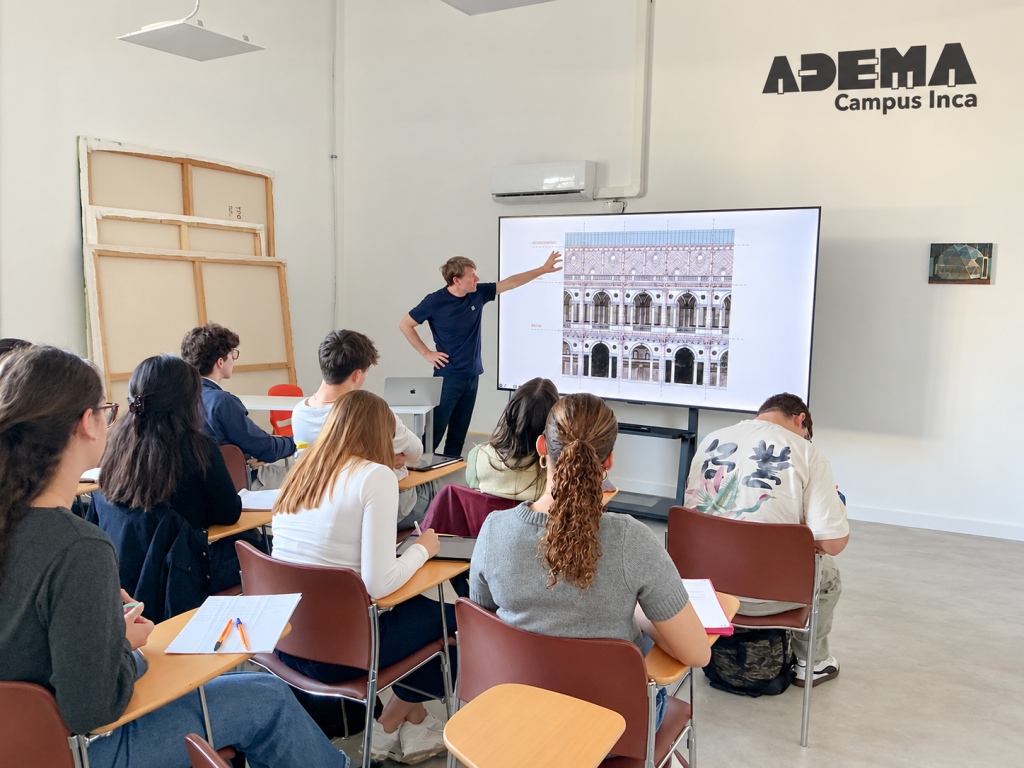
International architect and researcher Jonathan D. Foote, a professor of History and Theory at the Aarhus School of Architecture (Denmark), delivered two keynote lectures today at the ADEMA campus in Inca. In them, he explored the relationships between the history of architecture, creative processes, and an understanding of construction materials.
The academic gathering has introduced students to a research perspective that connects Renaissance architectural techniques with contemporary challenges regarding sustainability, the utilization of natural resources, and the recovery of artisanal knowledge.
Holding a PhD in Architectural Design Research from Virginia Tech (United States), Foote has built a distinguished international career focused on the study of architectural history and its relationship to construction processes. His research includes a notable analysis of Michelangelo’s full-scale drawings and layouts at San Lorenzo in Florence, which offers insight into how Renaissance masters connected design with the material execution of their work.
Natural stone as a link between architecture and territory
One of Jonathan D. Foote’s primary research areas currently focuses on the study of natural stone. As head of the “Ecologies of Stone” group at the Aarhus School of Architecture, he examines the relationships between the geological origin of materials, extraction processes, craft techniques, and their potential applications in contemporary architecture.
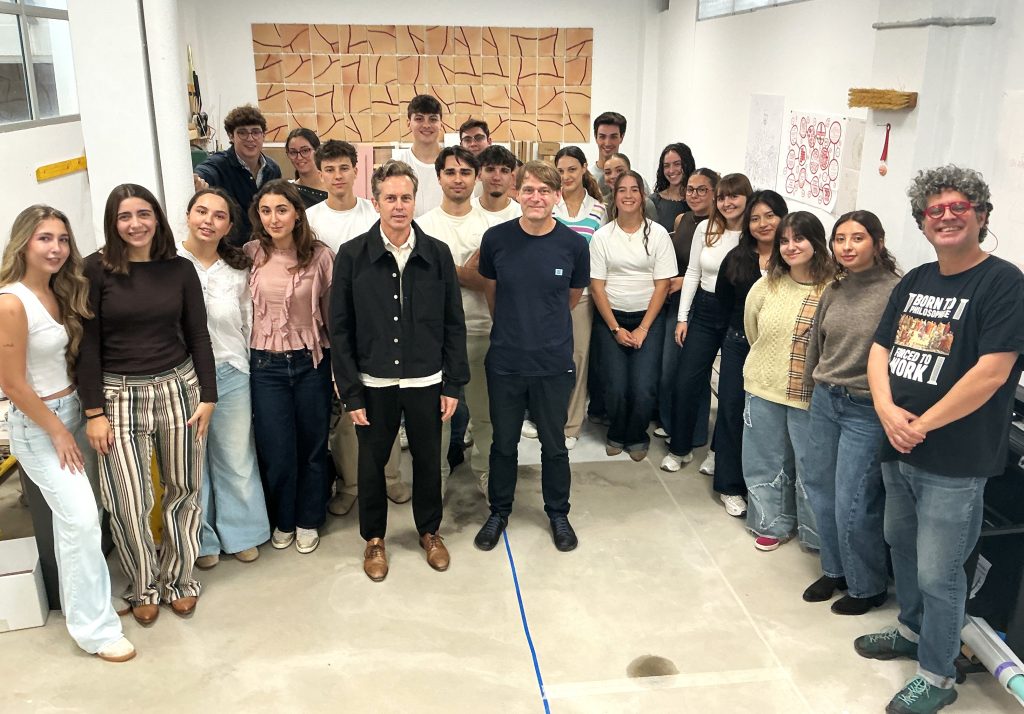
Their work offers a particularly interesting perspective for Mallorca, where *marés* (sandstone) and limestone have historically played a fundamental role in shaping the architectural heritage—from grand, monumental structures to traditional buildings. The study of these materials, their conservation, and their potential adaptation to contemporary needs raises significant questions for modern architecture, especially regarding sustainability, the rehabilitation of heritage, and the continuity of traditional construction knowledge.
Foote’s methodology rejects the separation between historical theory and the physical workshop. For him, “research must be rooted in both critical thinking and the manipulation of material.” “I want to be in the library, but also engaged in practice and in the workshops. History and materiality drive my work,” notes the researcher, whose practice is developed based on the concept of “thinking through making.” . He “Thinking through doing” integrates theoretical reflection, historical research, and direct experimentation with materials.
ADEMA highlights the academic importance of integrating contributions from international researchers—who work at the intersection of various disciplines—into higher education. “The presence of Jonathan D. Foote in Inca allows students to engage with research methodologies developed at European universities and encourages reflection on the relationship between contemporary creation, cultural heritage, and territorial identity,” stated Guillem Aloy, director of the ADEMA campus in Inca. Foote’s professional background includes research residencies at institutions such as the Bibliotheca Hertziana (Max Planck Institute), the Danish Academy in Rome, and the American Academy in Rome. His notable publications include *Material Imagination: Reconnecting with the Matter of Architecture* (2023) and *Lewerentz Fragments* (2021).