
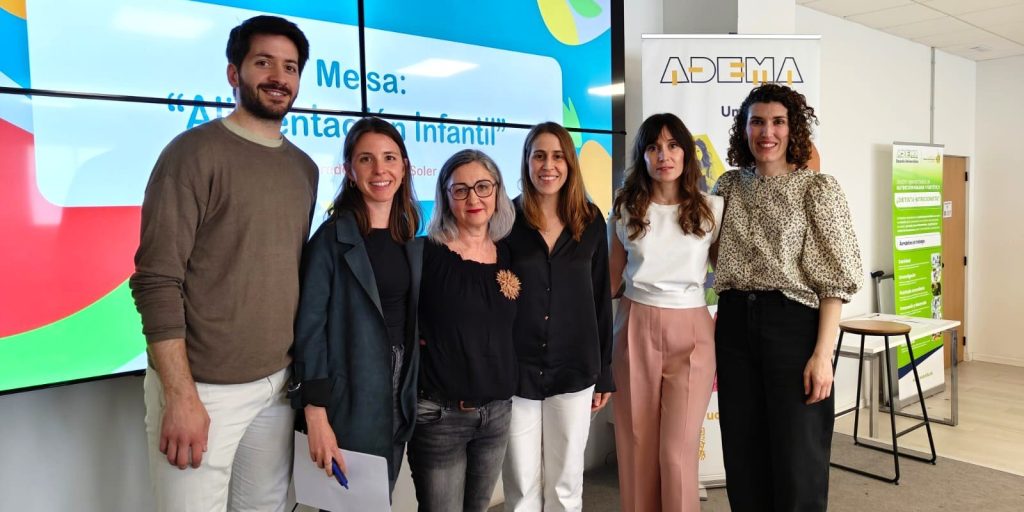
The final roundtable of the 4th International Nutrition Week, moderated by ADEMA professor Pilar Soler, focused on “Child Nutrition,” in which leading professionals from the healthcare, pediatric, and nutrition fields presented on the current challenges surrounding childhood nutrition.
The day focused on three key themes: the introduction of complementary feeding, breastfeeding, and the prevention of fatphobia at an early age. The sessions promoted a multidisciplinary approach that focuses on the child’s comprehensive health and the active role of families.
Dietitian-nutritionist María Pilar Herrero, coordinator of the Pediatric Nutrition Specialization Group at the AEND (National Association of Pediatricians and Adolescents of the Spanish National Institute of Nutrition), focused her talk on the growing confusion among professionals who provide advice on infant nutrition. Following the rise of the “Baby Led Weaning” approach, Herrero warned about the emergence of professionals such as “BLW advisors,” who, while able to provide useful information, lack the healthcare skills or formal university training to assess infants’ nutritional status or detect possible pathologies.
“It is essential that families know how to differentiate between health information and advice,” Herrero emphasized. “Pediatric nutrition is not a fad or a list of tips on social media: it is a science that requires ongoing training and ethical responsibility.” In her speech, she defended the role of the dietitian-nutritionist as a qualified professional to guide safe complementary feeding, tailored to the physiological and clinical needs of each baby.
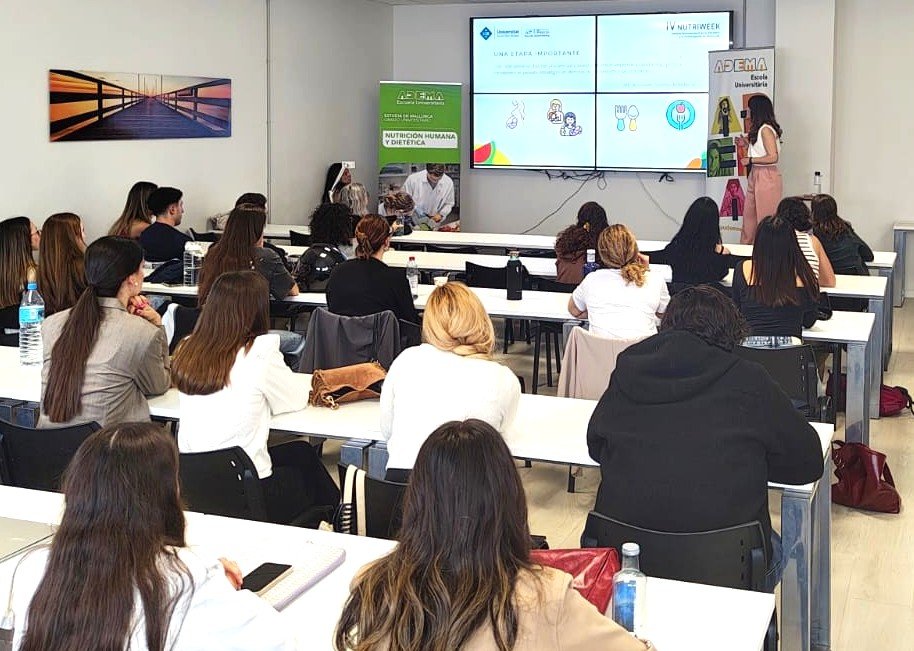
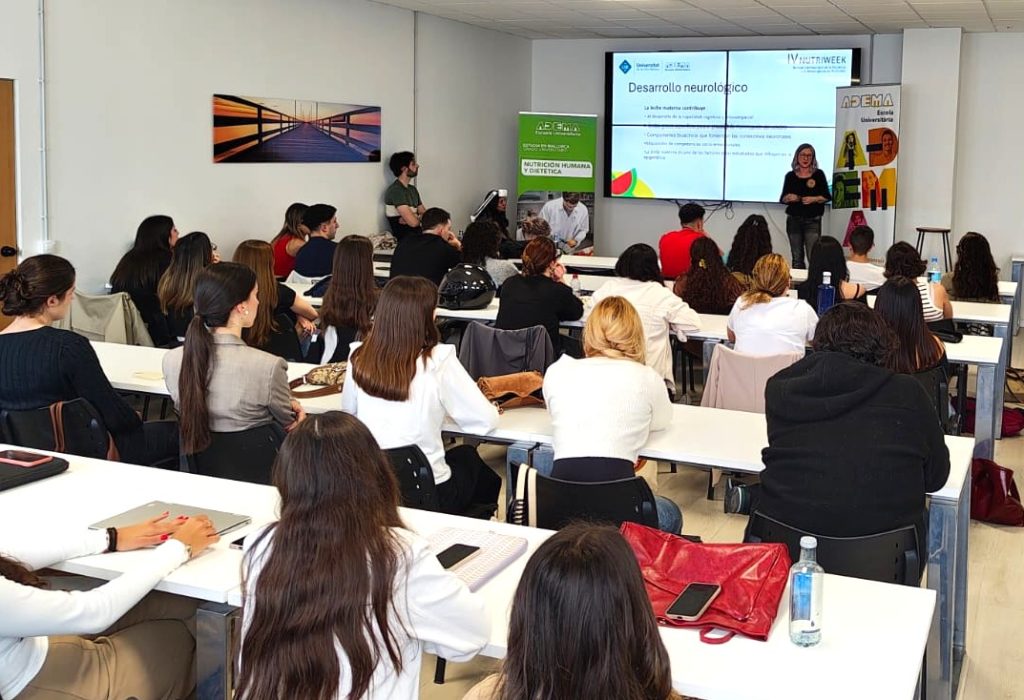
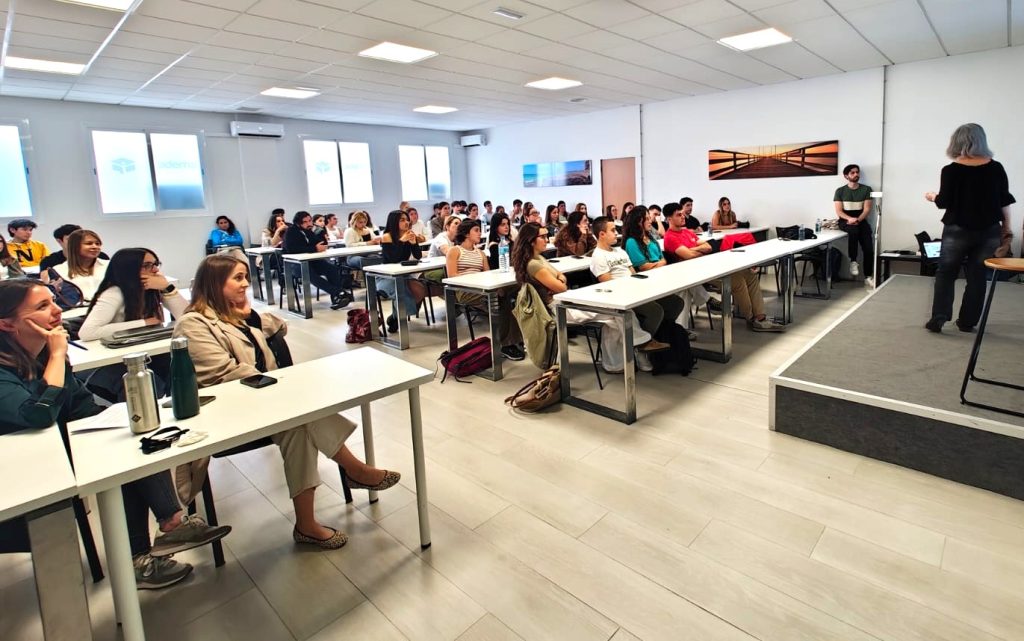
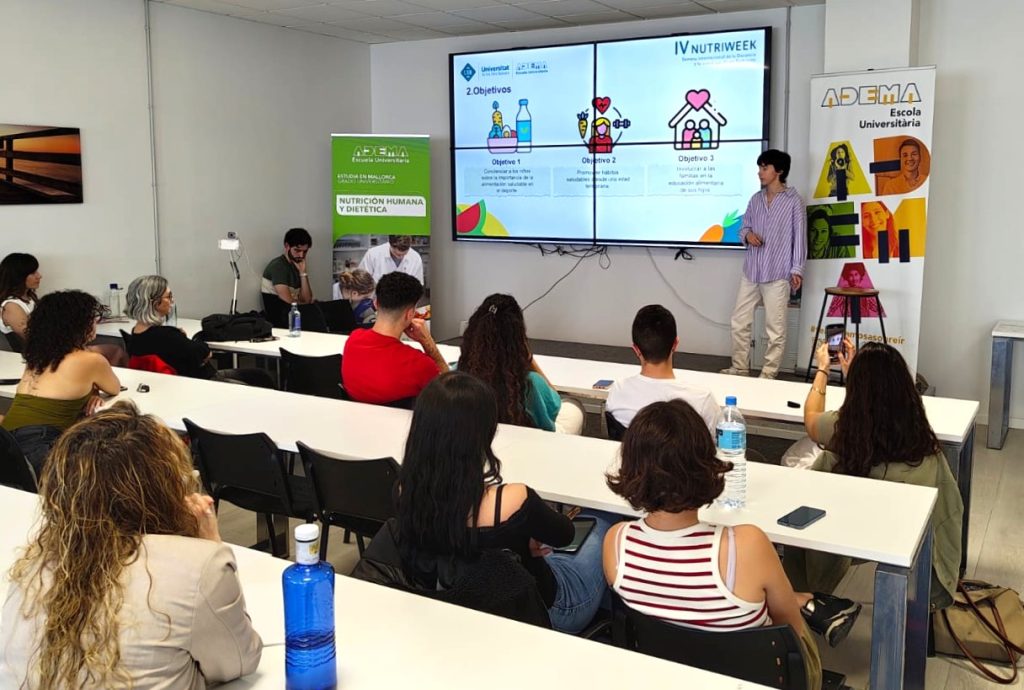
For her part, midwife Juana María Prieto gave a presentation entitled “Breastfeeding and Nutrition: A Perfect Symphony,” in which she addressed the extraordinary biological complexity of breastfeeding with scientific depth and sensitivity. Prieto explained that human milk is not just food, but a species-specific biofluid, dynamic and adapted to the needs of the infant. “It is a living system that provides nutrients, immunity, genetic protection, and sensory stimulation. It is the natural habitat of the newborn,” she noted. She also spoke about the epigenetic dimension of breastfeeding, which modulates gene expression and influences the prevention of future diseases, in addition to the profound neuroplastic changes that the mother’s brain undergoes during this process.
Prieto has contrasted this complexity with the limitations of artificial nutrition, highlighting the absence of live bioactive elements, the lower bioavailability of nutrients, and the alteration of the microbiome, factors that can affect the baby’s metabolic and immunological development.
Childhood fatphobia: an invisible problem
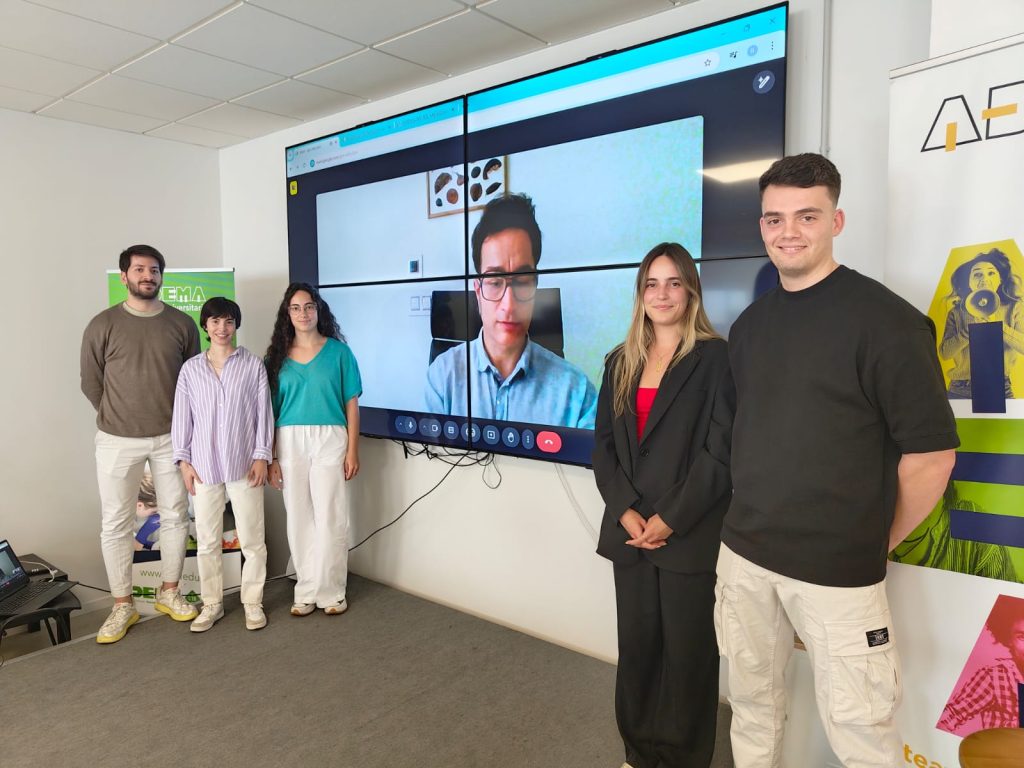
Pediatrician Jorge Muñoz, creator of the “Jorge the Pediatrician” project, closed the day with a talk focused on a topic of growing social relevance: childhood fatphobia. Muñoz defined this phenomenon as systematic discrimination against bodies that do not conform to dominant aesthetic standards, with serious consequences for children’s mental and physical health.
“Fatphobia feeds on social judgment, aesthetic pressure, and the culture of physical performance,” she stated. In childhood and adolescence, it manifests itself in the form of teasing, social exclusion, and the development of eating disorders. Muñoz called on families, educators, and health professionals to promote body acceptance, respect for diversity, and a more inclusive approach to health, focused on well-being, not weight.
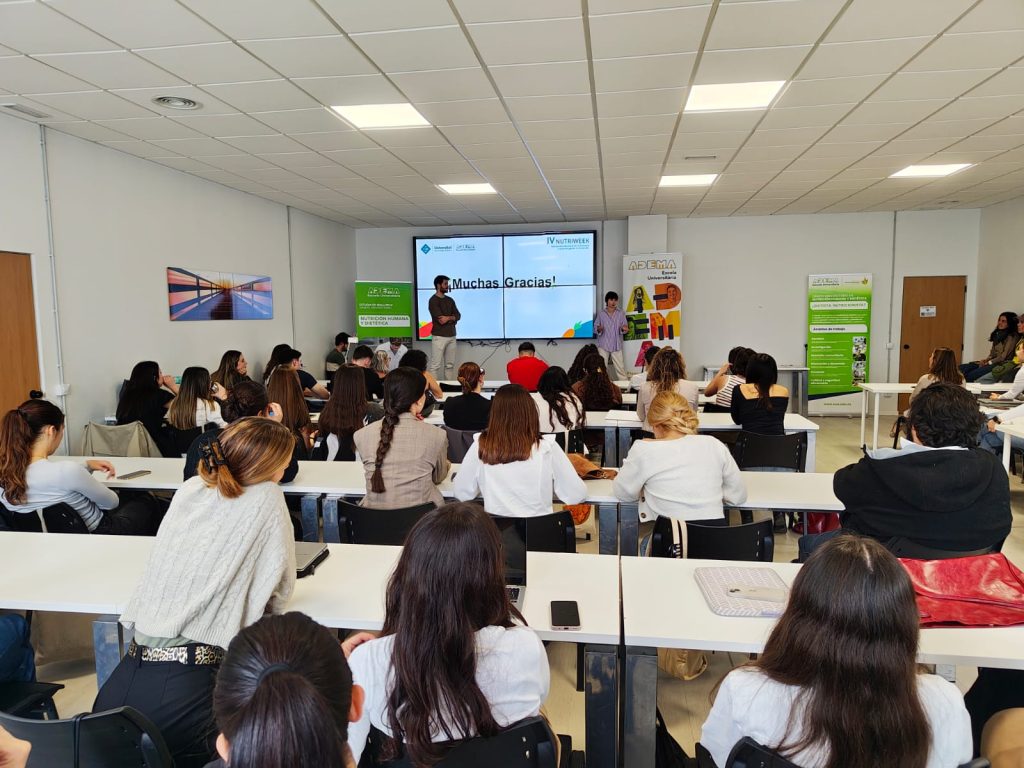
Previously, a scientific poster presentation session was held on various topics of interest this week regarding teaching and research in the nutrition sector.