
>>The agreement will make it possible to leverage the German university’s expertise in artificial intelligence applied to medicine, with the aim of improving early diagnosis, monitoring, and the progression tracking of oral cancer and other types of tumors.
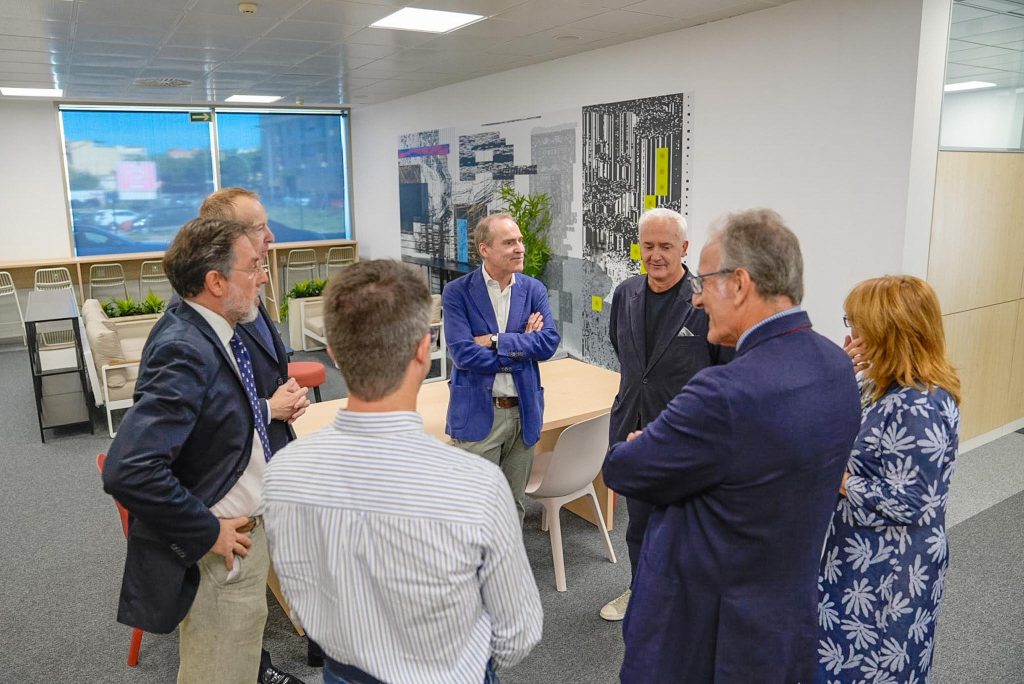
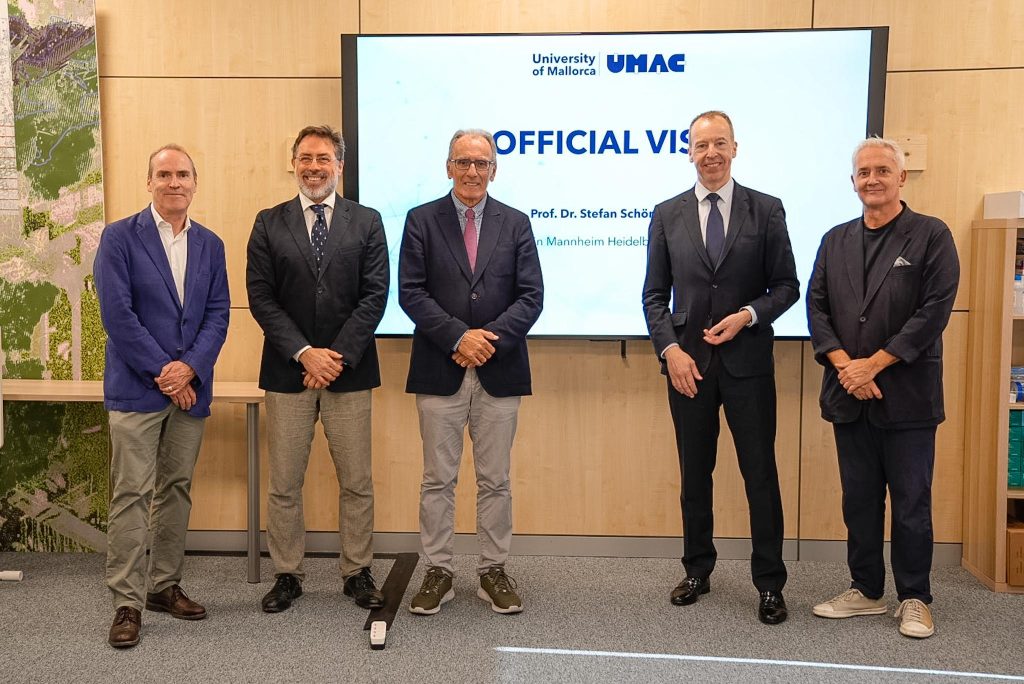
>> Professor Stefan Schönberg is visiting the Faculty of Medical Sciences at the ADEMA Coll d’en Rabassa campus to learn about the new university institution and explore potential avenues for cooperation in research, mobility, innovation, and health-related technologies.
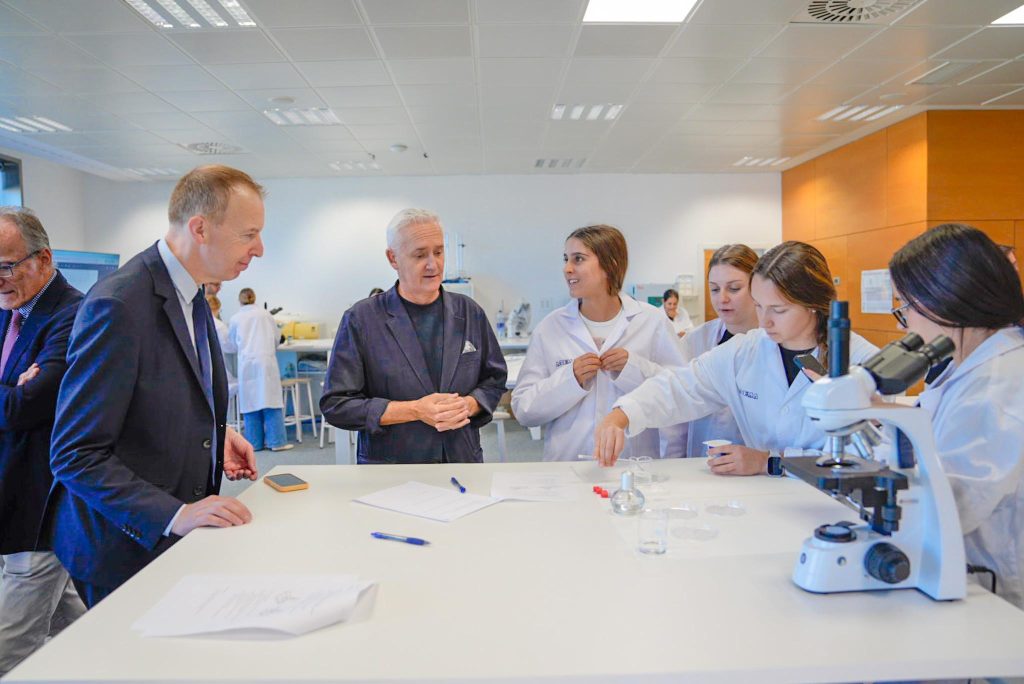
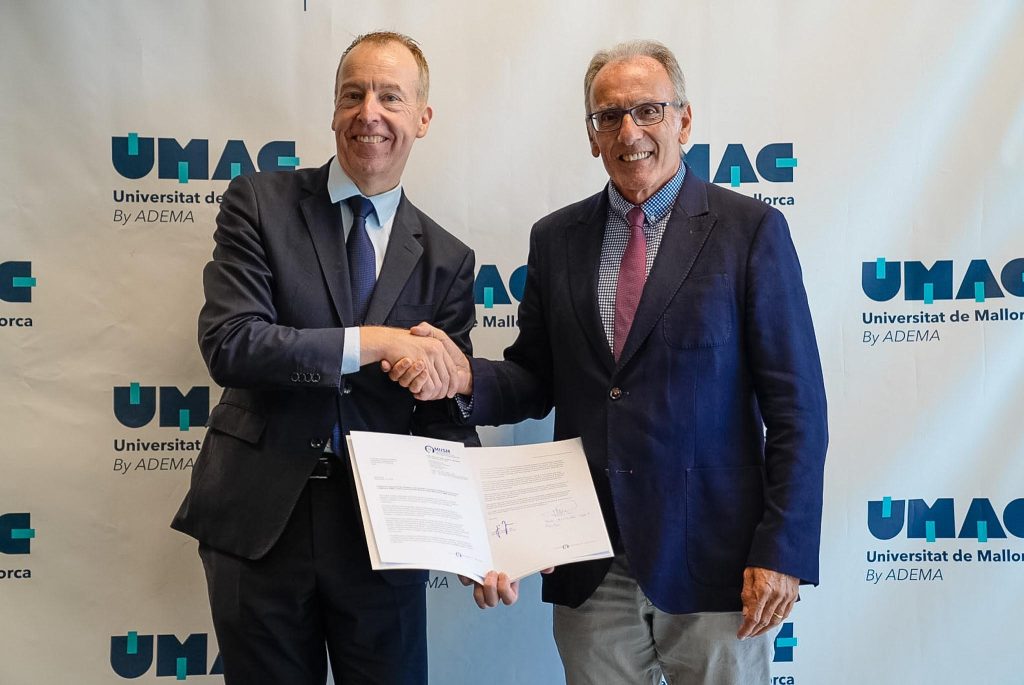
The Universitat de Mallorca (UMAC-ADEMA) and the University of Heidelberg—by way of an agreement reached with the Mannheim Institute for Intelligent Systems in Medicine at the University Hospital Mannheim—are advancing the development of new avenues for academic and scientific collaboration in the fields of medicine, health engineering, and biomedicine, with the goal of fostering education, research, innovation, and knowledge transfer between the two institutions.
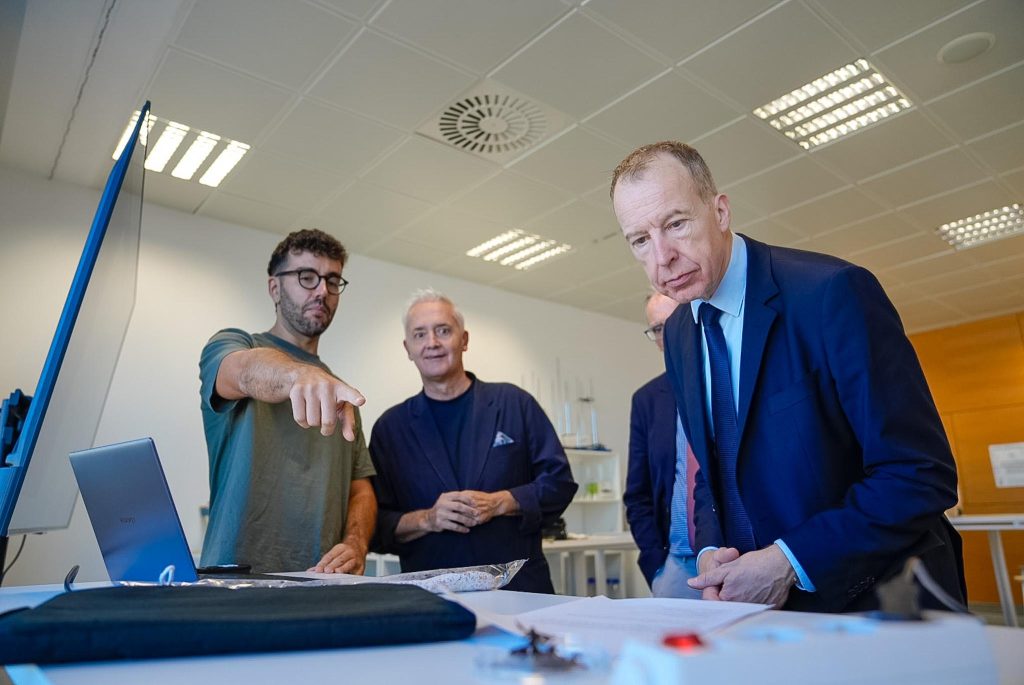
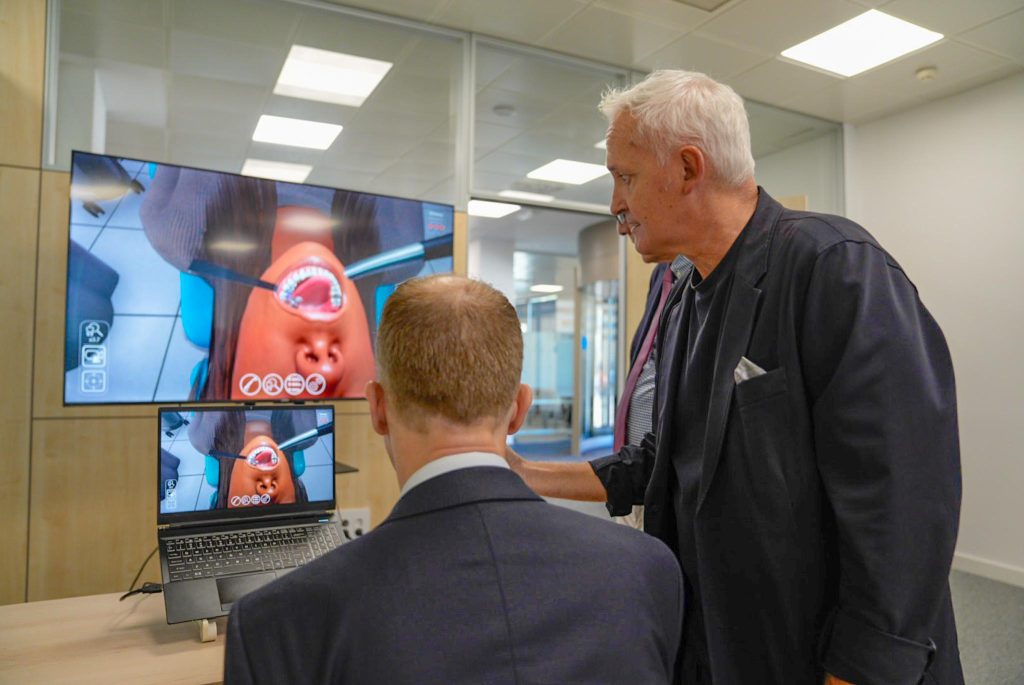
The progress of this cooperation has been highlighted by a visit to Palma from Dr. Stefan Schönberg—director of the Clinic for Radiology and Nuclear Medicine at Universitätsmedizin Mannheim and a professor at the University of Heidelberg’s Faculty of Medicine in Mannheim—who gained firsthand insight into the academic project of the Universitat de Mallorca, as well as the facilities of its Faculty of Medical Sciences at the ADEMA campus in Coll d’en Rabassa.
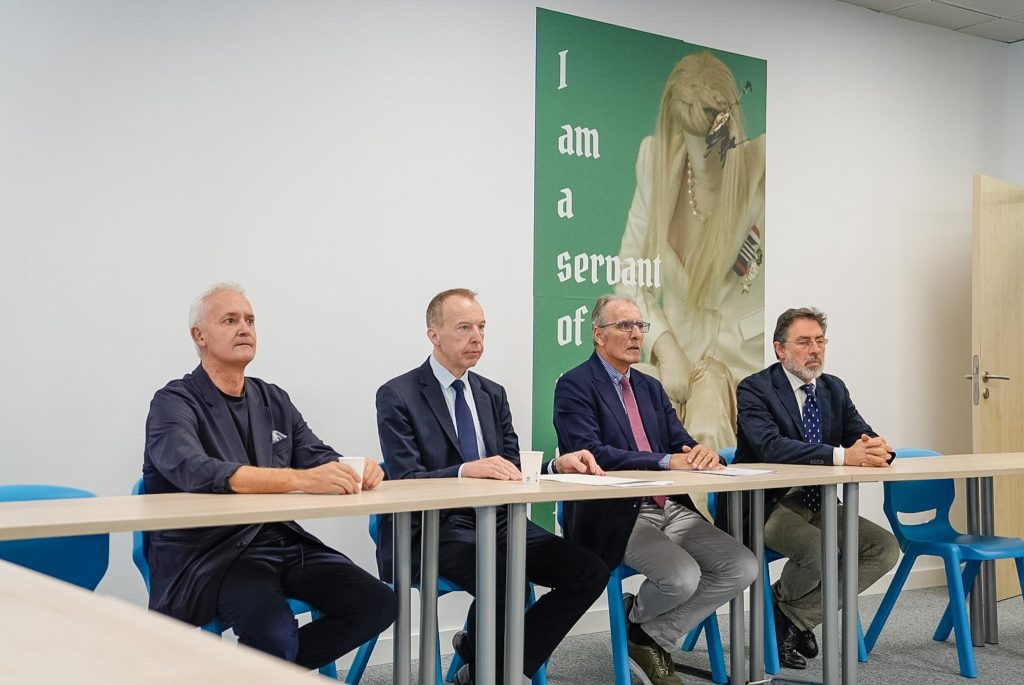
During the meeting, Schönberg was accompanied by the president of the Governing Council of the University of Mallorca, Diego González, and the rector, Dr. Pere Riutord, as well as various members of the academic and institutional team.
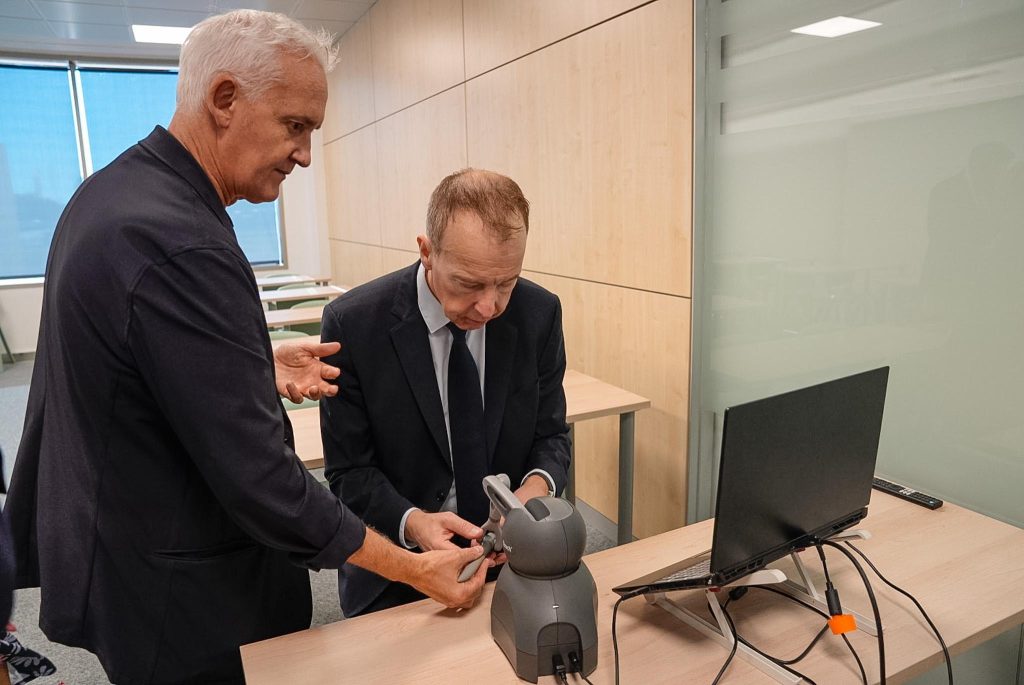
The visit included a tour of classrooms, laboratories, simulation spaces, and facilities dedicated to clinical training and research, as well as a working meeting to explore potential areas of cooperation in biomedical engineering, medical technology, diagnostic imaging, artificial intelligence applied to healthcare, the digitalization of clinical processes, and the translation of research findings into clinical practice.
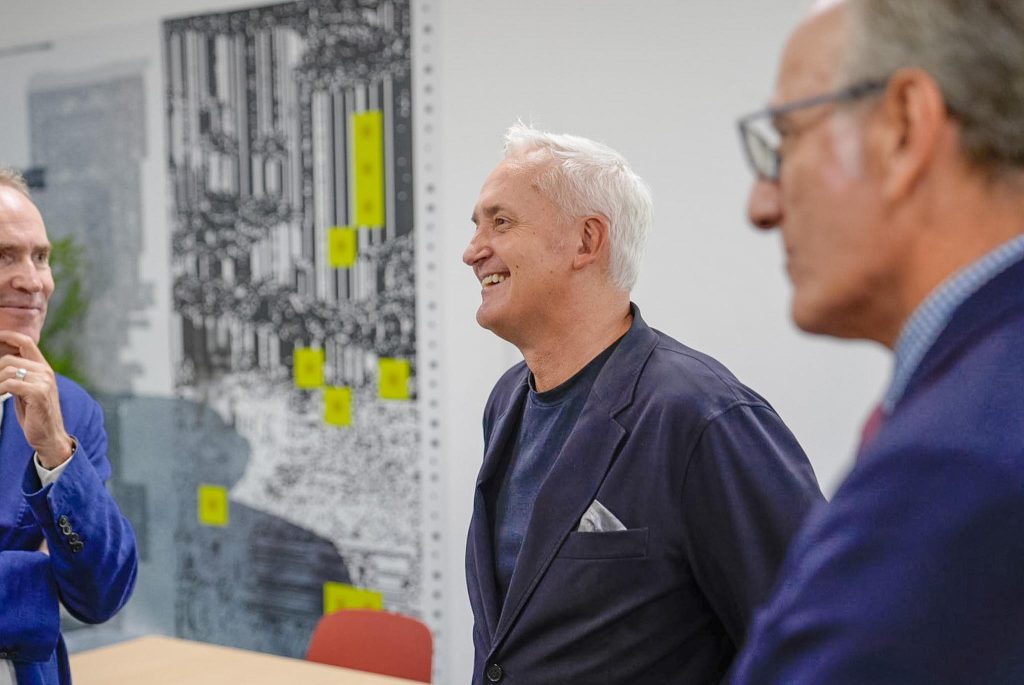
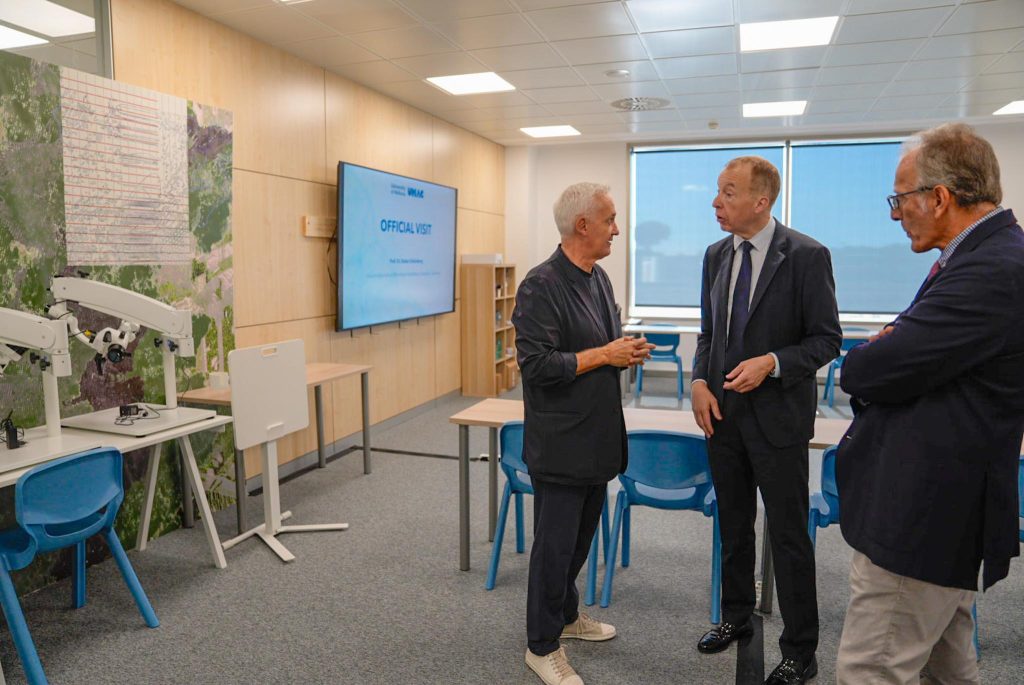
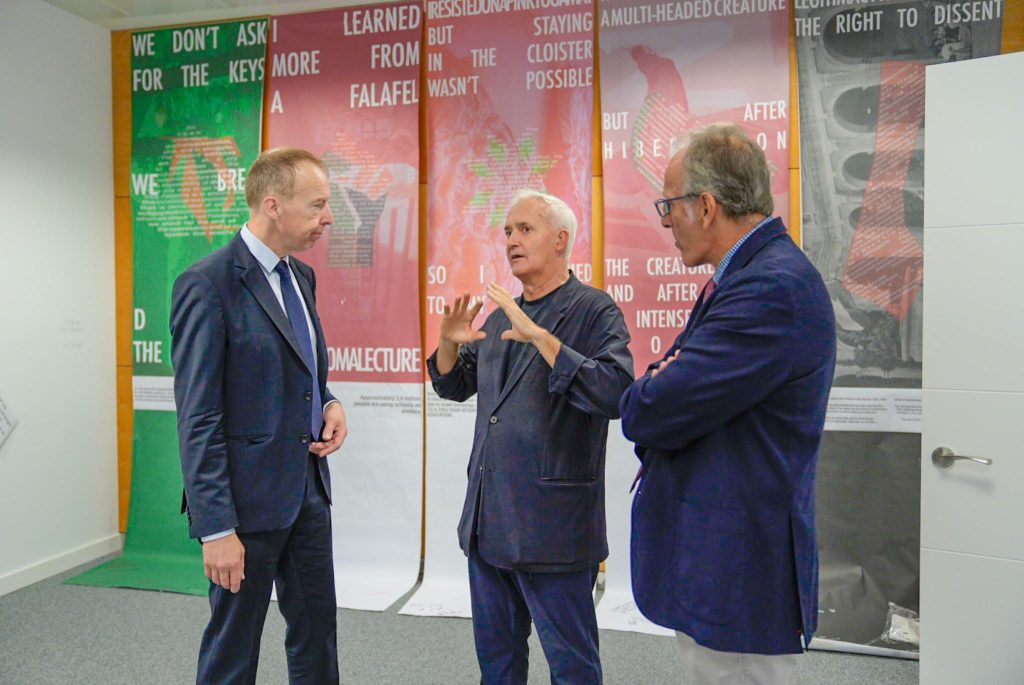
The president of the Governing Council and the rector thanked Professor Schönberg for his interest in learning about the university project firsthand, noting that the relationship with Mannheim and Heidelberg represents “an opportunity to continue building an open, international university that is connected to leading European institutions.”
For his part, the rector of the University of Mallorca, Dr. Pere Riutord, highlighted the possibilities that this collaboration opens up in the field of medical research and the application of new technologies to healthcare. “This agreement will allow us to leverage the expertise and advancements of the University of Heidelberg in artificial intelligence applied to medicine, in order to drive new lines of research aimed at improving early diagnosis, monitoring, and the assessment of the progression of oral cancer and other types of tumors,” he noted.
>> The collaboration seeks to foster research, attract talent, and strengthen innovation and knowledge transfer between Mallorca and one of Germany’s leading academic and medical hubs.
“We also want this collaboration to translate into opportunities for our students, faculty, and researchers, as well as the capacity to generate knowledge, develop joint scientific projects, and translate research findings into clinical practice and the healthcare environment,” added Riutord.
For his part, the president of the Governing Council, Diego González, highlighted the strategic dimension that internationalization holds for the new university. “One of our objectives is to turn internationalization into a tool for attracting and developing talent, transferring knowledge to the productive sector, and contributing to the diversification of the Balearic Islands’ economy,” he argued during the meeting.
“The university must be able to connect research with the needs of society and generate new opportunities in high-value-added fields such as health, technology, biomedicine, or innovation,” asserted González.
Mobility, research, and international projects
The future cooperation framework envisions a broad-ranging academic relationship that encompasses the mobility of students, faculty, researchers, and technical and administrative staff, through teaching activities, internships, scientific stays, academic projects, job shadowing, and other forms of exchange.
It also encompasses the joint development of research, innovation, and development projects; participation in national and international calls for proposals; collaborative scientific publications; and the organization of seminars, conferences, and academic activities.
The various initiatives may subsequently be formalized through specific agreements and technical annexes, allowing for the progressive development of academic, scientific, and mobility projects tailored to the areas of interest of both institutions.
Medicine, engineering, and technology
One of the key points of intersection identified during the visit is the growing convergence between medicine, engineering, and technology—particularly in the development of new tools for diagnosis, treatment, biomedical research, and clinical care.
Professor Stefan Schönberg has highlighted that “fields such as biomedical engineering, medical imaging, or the application of new technologies to clinical processes offer numerous possibilities for academic exchange and for developing joint scientific projects.”
This cooperation is directly linked to the academic development of the University of Mallorca and its future degree programs in the field of medical sciences, including undergraduate degrees in Medicine, Health Engineering, and Biomedicine.
The Bachelor’s Degree in Health Engineering offers an interdisciplinary education spanning engineering, medicine, and biology, incorporating fields such as medical instrumentation, bioinformatics, biomaterials, virtual reality, 3D printing, nanotechnology, and robotics applied to medicine.
The Bachelor’s degree in Biomedicine, for its part, will focus on understanding the biological mechanisms of disease, as well as areas such as experimental research, molecular diagnostics, digital technologies, gene and cell therapy, and clinical innovation.
Collaboration with the Mannheim Institute for Intelligent Systems in Medicine
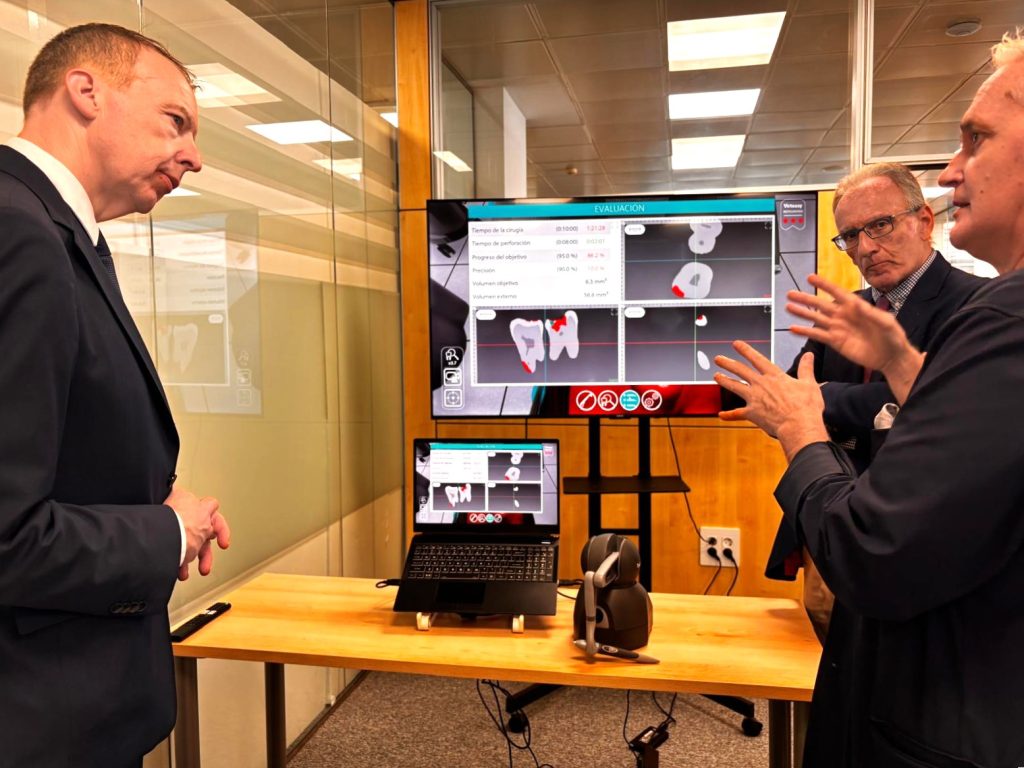
A formal cooperation framework is established with the prestigious Mannheim Institute of Intelligent Systems in Medicine (MIISM) at Heidelberg University and its “Master’s Program in Biomedical Engineering.”
Led by Professor Dr. Frank A. Giordano, a renowned chair in Radiation Oncology, the MIISM is an academic research institution affiliated with the Mannheim Medical Faculty of Heidelberg University.
The institute, which was inaugurated in 2022 to bring together the faculty’s capabilities in technology and medical physics, focuses its activities on the digital transformation of clinical diagnostic and treatment processes—through the automation of workflows, the development of medical information systems, the advancement of artificial intelligence, and the translation of research findings into clinical applications, such as the fight against cancer.
This cooperation will facilitate the exploration of exchanges and projects linked to the MIISM and to Mannheim’s broader academic, scientific, and clinical ecosystem. In doing so, it will reinforce one of the strategic objectives of the Universitat de Mallorca: to integrate internationalization, knowledge generation, innovation, and technology transfer as core elements of its university mission, while contributing—from Mallorca—to the attraction of talent and the development of knowledge-intensive sectors.