
>>The new cohort will delve into the clinical application of technologies such as 3D intraoral scanning, digital planning, 3D printing, CAD/CAM systems, and haptic simulation.
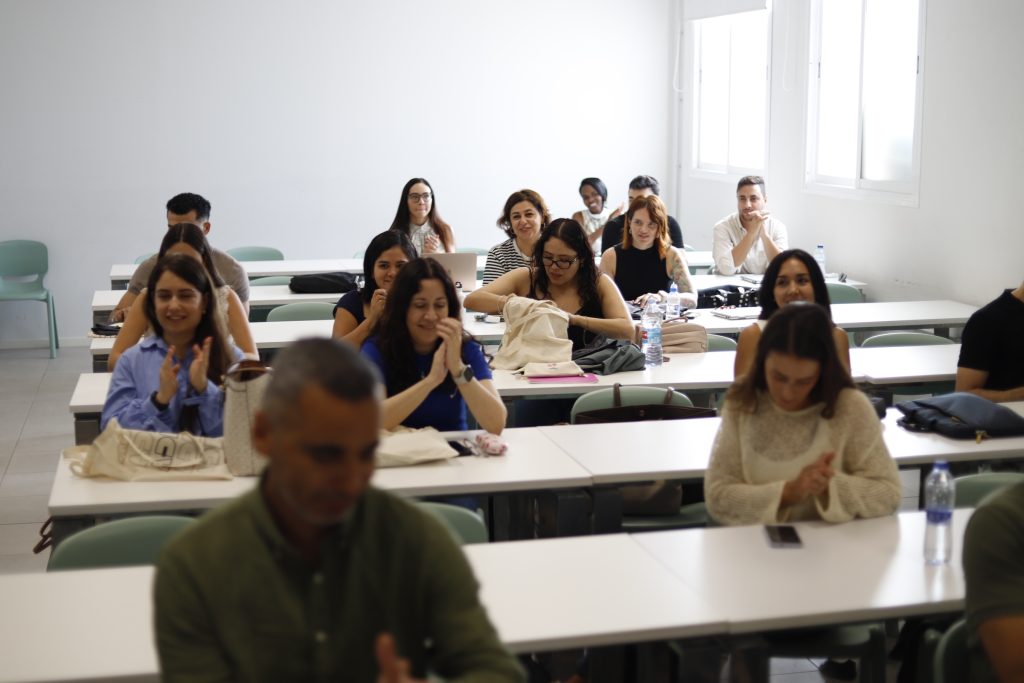
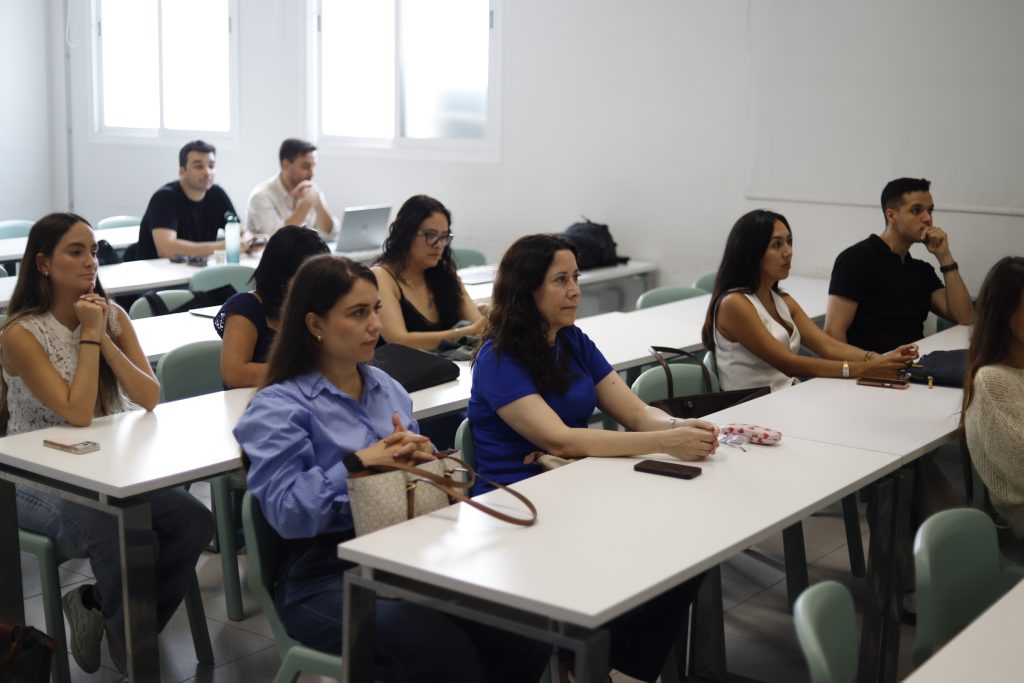
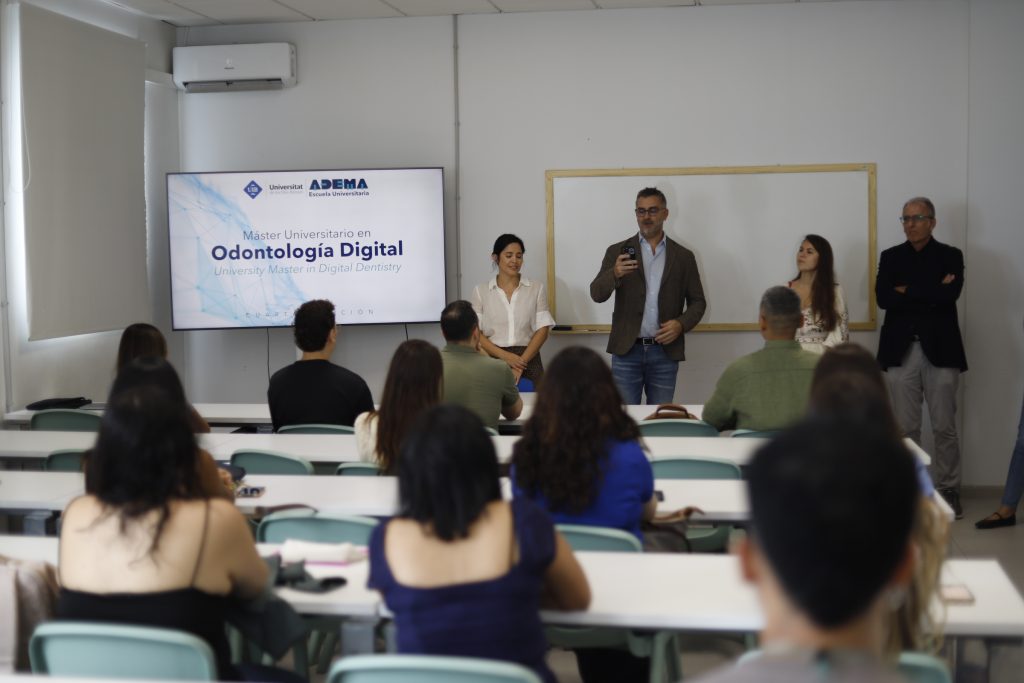
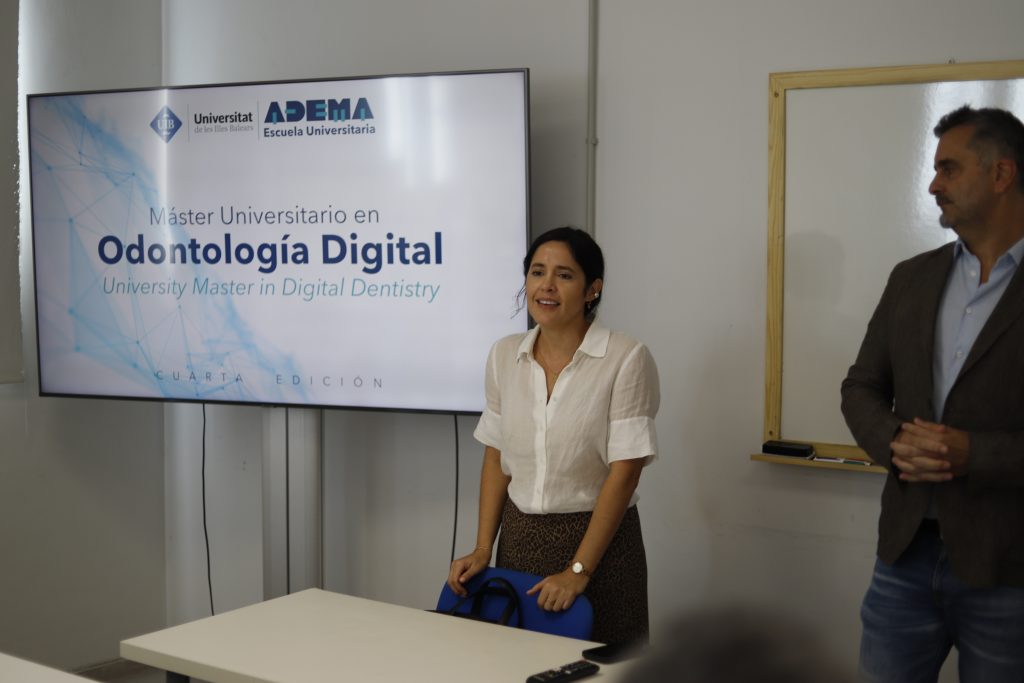
The ADEMA University School and the University of the Balearic Islands (UIB) inaugurated the fourth edition of the University Master’s Degree in Digital Dentistry this Monday—an official program designed to train professionals capable of integrating digital technologies across various dental specialties.
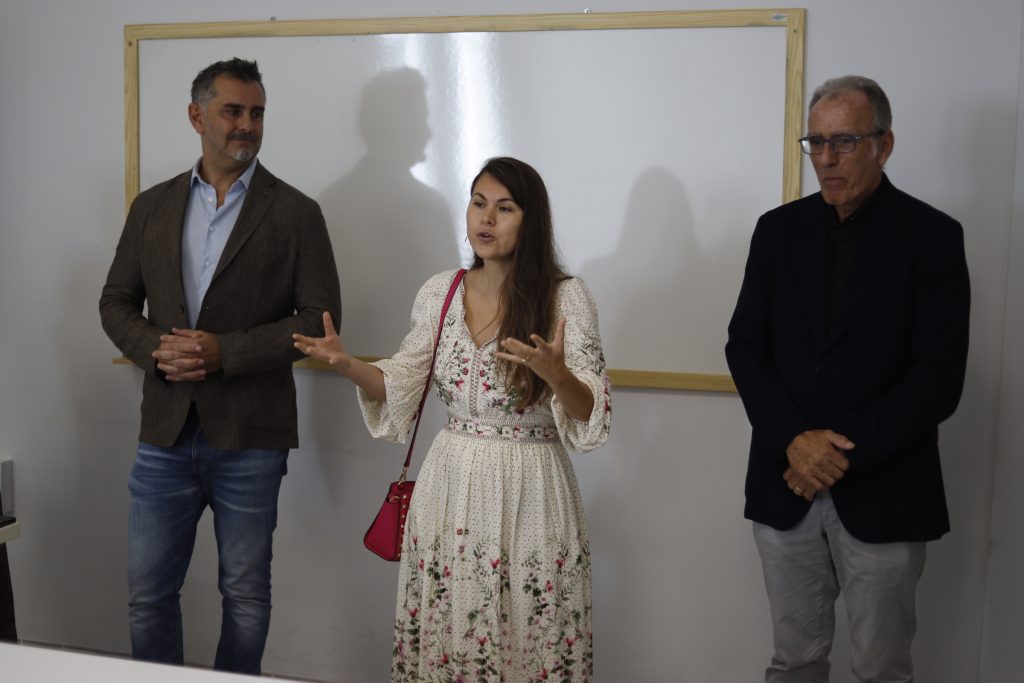
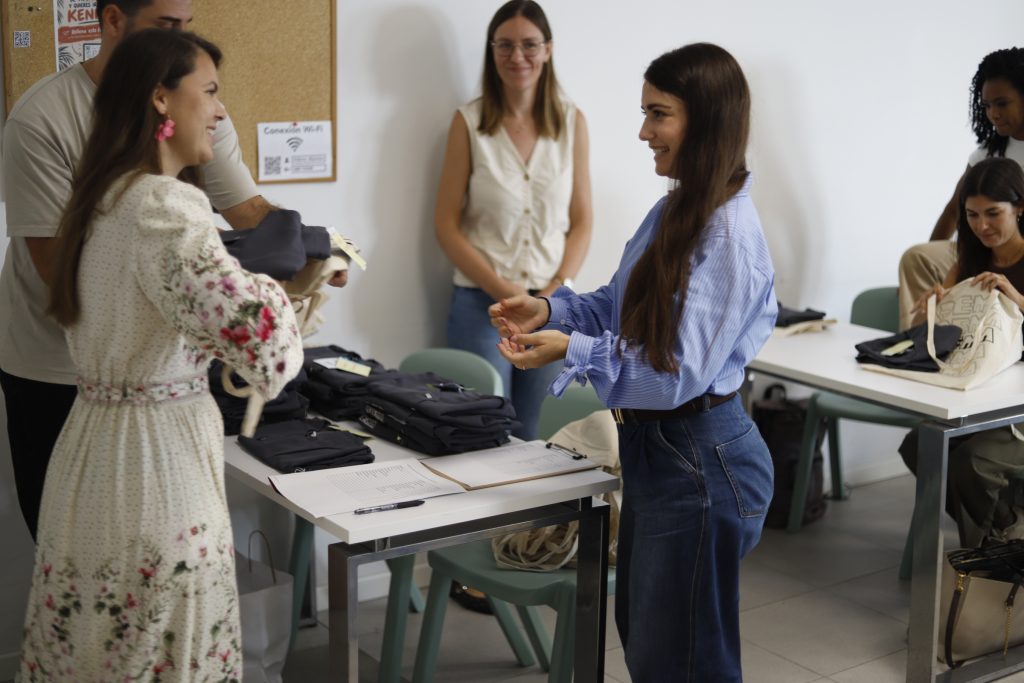
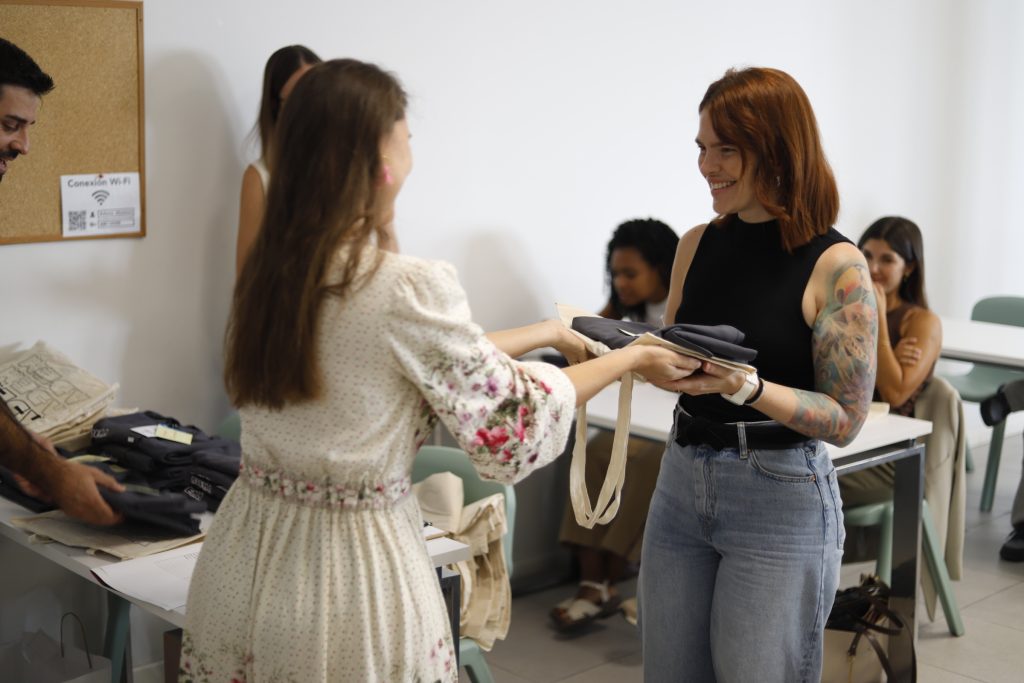
The opening ceremony was attended by the master’s program directors—Dr. María Montserrat, representing the University of the Balearic Islands, and Dr. Pere Riutord, Vice-Dean of ADEMA—who welcomed the students of this new cohort.
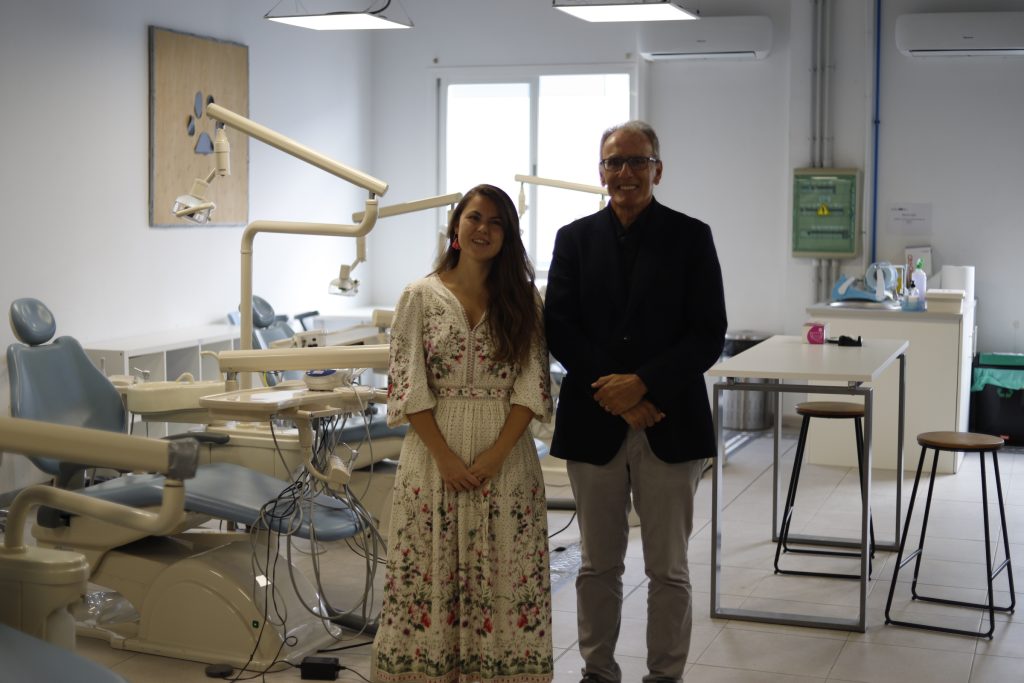
The launch of this fourth edition solidifies an academic program that addresses the technological transformation currently shaping dental practice—spanning everything from diagnosis and planning to treatment execution and follow-up.
The master’s program provides a comprehensive overview of digital dentistry and addresses the integration of these tools into clinical practice, research, and teaching, with the aim of enabling students to use them in a structured and rigorous manner adapted to various professional settings.
During the course, students will work with technologies such as CBCT, 3D intraoral scanners, digital occlusal articulators, implant planning software, haptic and holographic 3D virtual simulators, digital operating microscopes, CAD/CAM systems, dental 3D printing, and digital smile design.
Training adapted to the transformation of the profession
During the inauguration, Dr. María Montserrat highlighted that “this fourth edition confirms the consolidation of a master’s program that responds to a profound transformation within the profession. Digital dentistry is already part of current clinical practice and demands professionals capable of integrating technology with sound judgment, scientific knowledge, and a multidisciplinary vision.”
For his part, Dr. Pere Riutord has emphasized that “one of the master’s program’s great assets is that it allows for working with technology in a completely applied manner. Students learn to integrate digital tools into all phases of treatment—from diagnosis and planning to clinical execution—with the aim of enhancing precision, predictability, and the quality of care.”
From digital diagnosis to guided surgery
The program delves into the use of digital tools in endodontics and restorative dentistry, orthodontics, oral surgery and periodontics, implantology, prosthodontics, aesthetics, and oral rehabilitation.